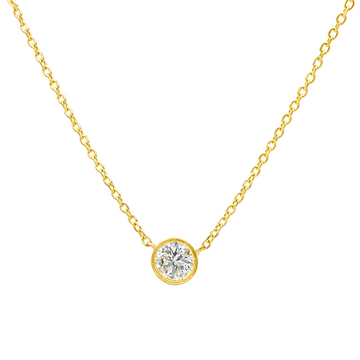
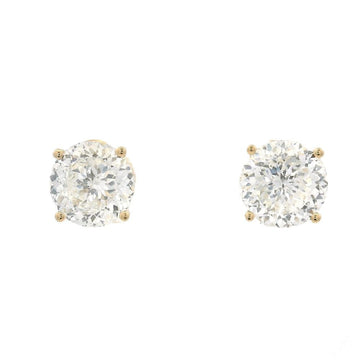
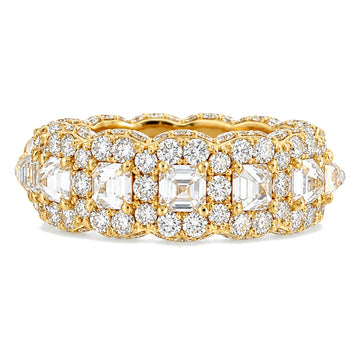
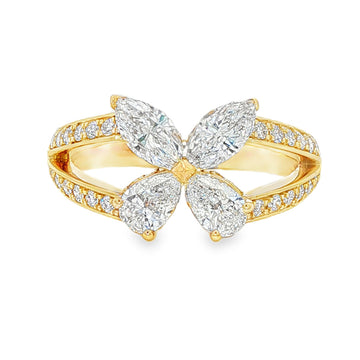
Read the grades first, then choose the ring, the studs, the tennis row or the pendant
Lab-grown diamonds are diamonds, grown in a lab instead of mined, and you choose one the same way. Check its color and clarity on the listing, then pick the piece and the size of the stone. Take 14K for every day. Nearly nine in ten rings and studs sold here were that gold. Where a listing leaves a grade blank, ask us for it before you pay.
Where to start: lab grown diamond engagement rings or lab grown diamond jewelry
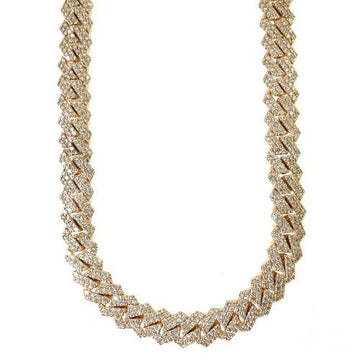
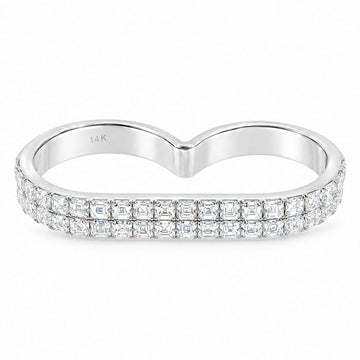
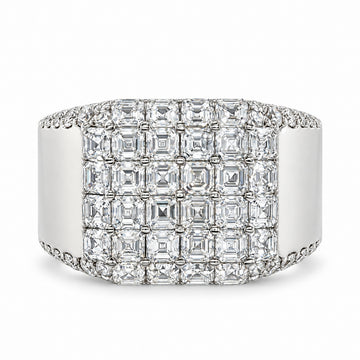
For a proposal, go straight to the lab-grown engagement rings. For anything else, go by the kind: lab-grown diamond wedding bands, lab-grown diamond earrings, studs and hoops together, the lab-grown tennis bracelets, and the lab-grown necklaces, pendants and tennis chains.
Looking for a loose stone? This page holds finished jewelry only, every stone already set. Ask about a loose diamond in the live chat, or call or text 212-872-9692 from 10 AM ET. For a lab-grown stone in a design of your own, start on our custom project page: the desk gives you a price range, a deposit starts the 3D design, and nothing is made until you approve it.
The grades: lab grown diamond color, clarity and certificates
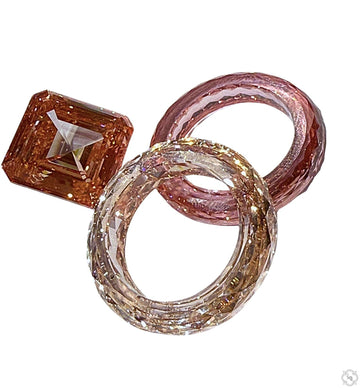
Read two grades on a listing before anything else. Color starts at D, which is colorless, and warms as the letters go down, so D to F show no tint at all. Clarity tells you how clean the stone is, and VS means a flaw hides until a loupe finds it. About two listings in three here print both grades, and most of those read D to F with VS or better. Some engagement rings name an IGI certificate for the center stone. A few pieces carry pink, blue, yellow, green or black lab-grown diamonds, named in their titles. The 4Cs guide puts every grade on one chart.
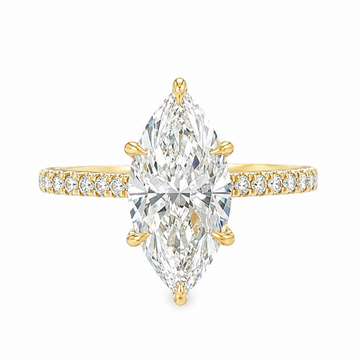
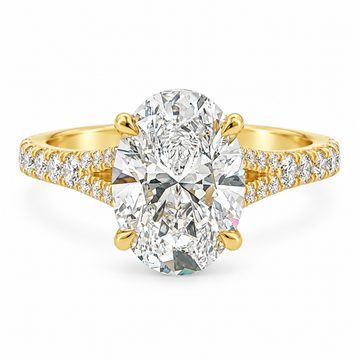
Engagement rings: lab grown diamond engagement rings
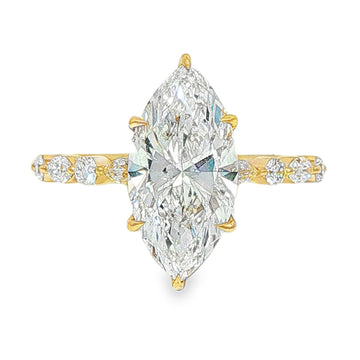
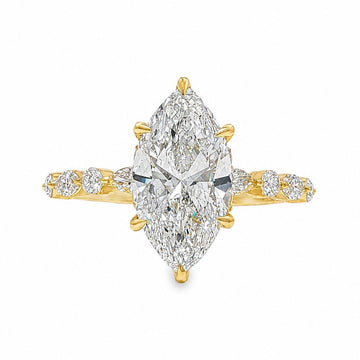
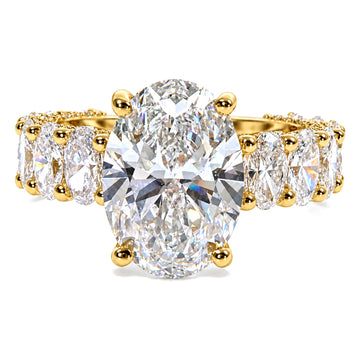
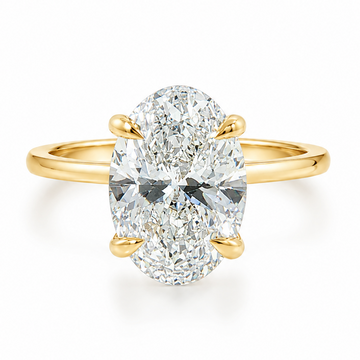
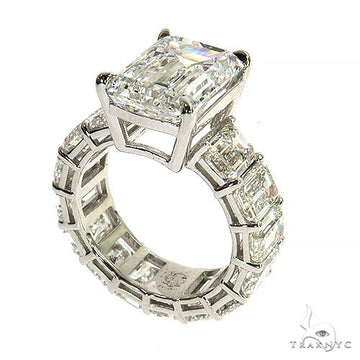
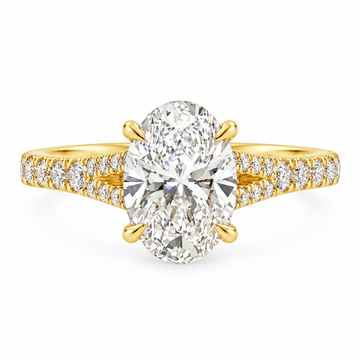
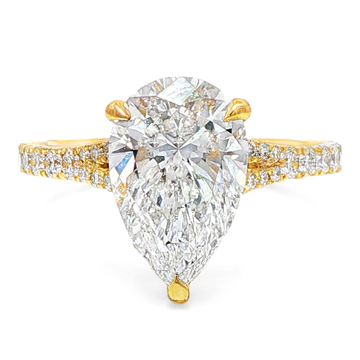
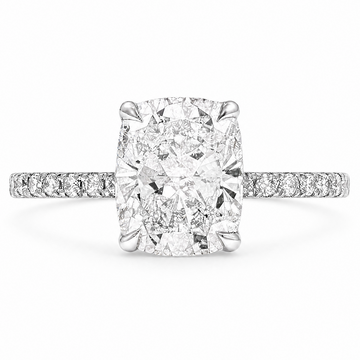
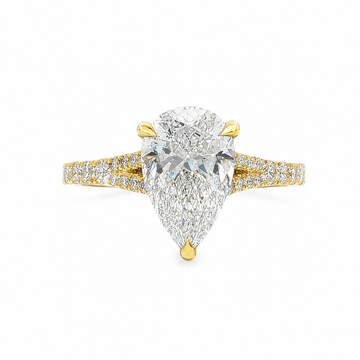
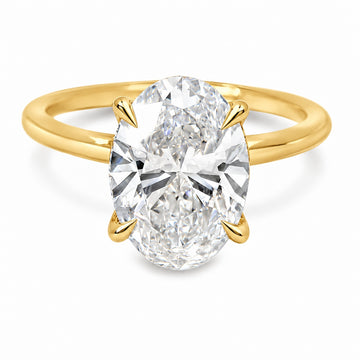
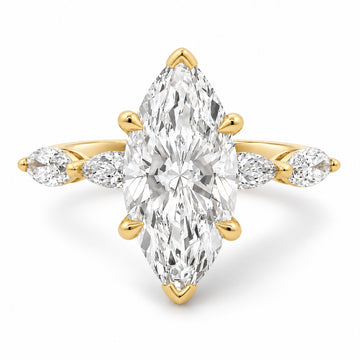
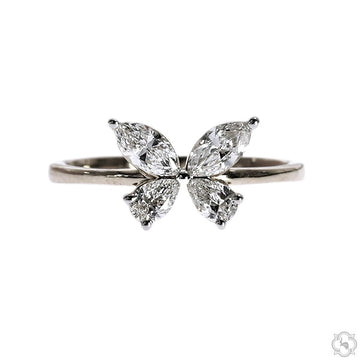
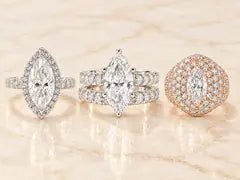
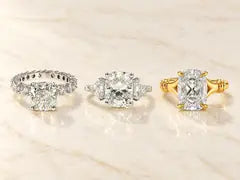
Choose the shape from the rings your partner wears now; the marquise is the one buyers here chose most, six rings in ten. Each shape has a page of its own, with lab-grown and natural centers side by side, so read the center's origin on the listing: marquise, radiant, pear, emerald cut, oval, round, cushion and princess. The centers most buyers chose run from 1.5 to 3 carats: see the 2 carat and 3 carat engagement rings. Nearly every ring sold was 14K gold, and a few come in 18K or platinum. The size menus run from 4 to 11, and a resized ring is final, so measure one of their rings on the ring size chart first. The engagement ring guide walks through shapes and sizing.
Stud earrings: lab grown diamond stud earrings
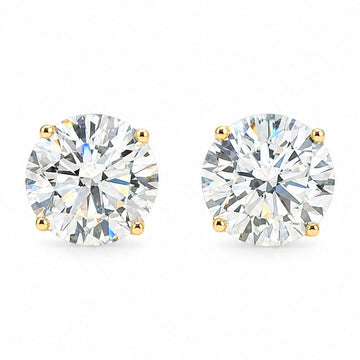
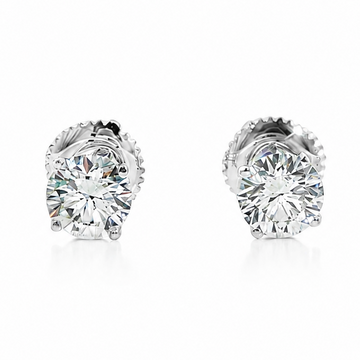
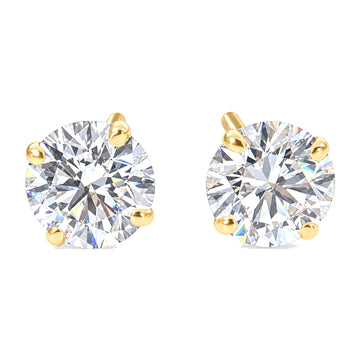
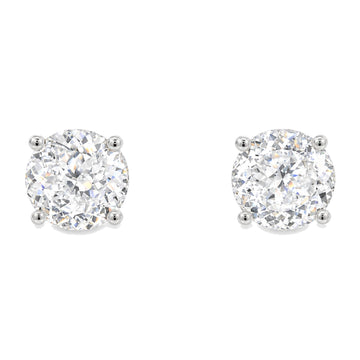
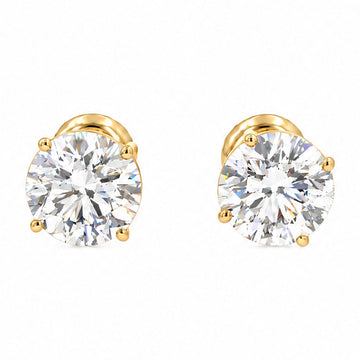
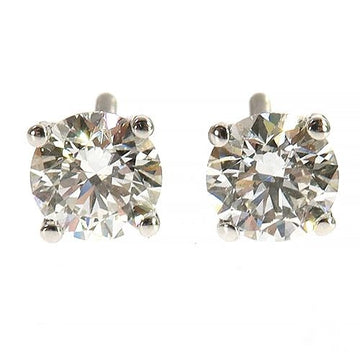
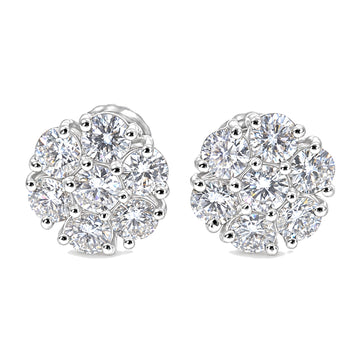
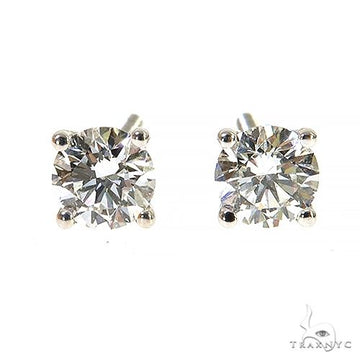
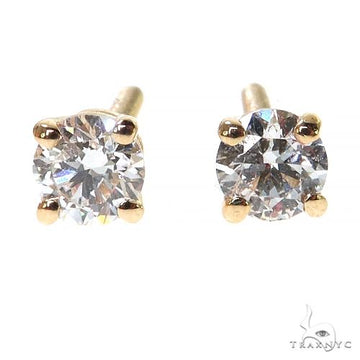
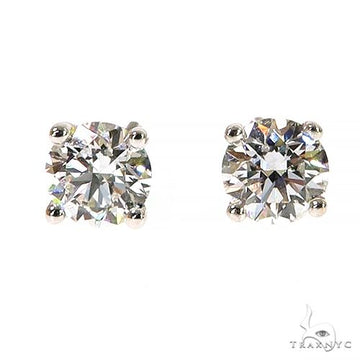
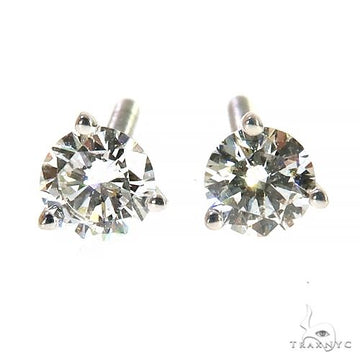
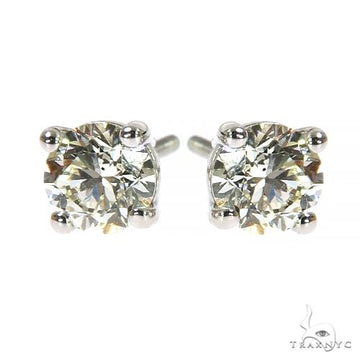
Buy one carat a stone: no stud size sold more here, and about six pairs in ten sold were that size or bigger. Round sold best, and the Portuguese cut, with its extra rows of facets, came next. Most pairs are 14K, a few silver or 18K. The lab-grown diamond studs page goes further into backs and millimeters.
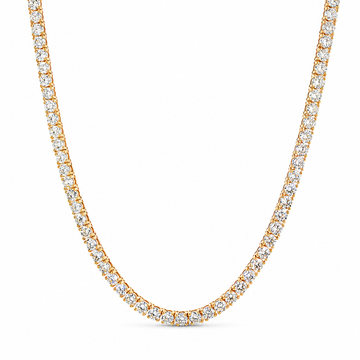
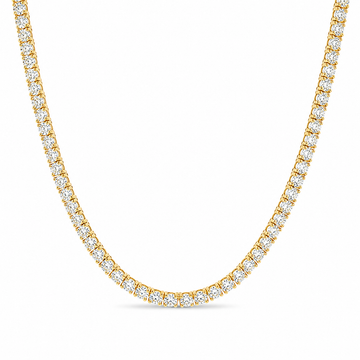
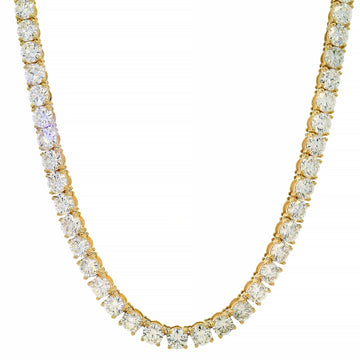
Tennis: lab grown diamond tennis chains and bracelets
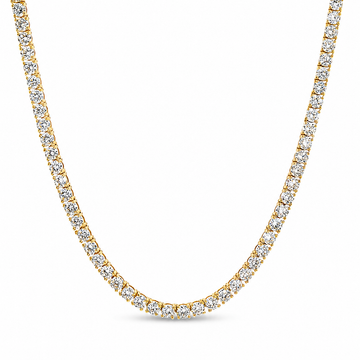
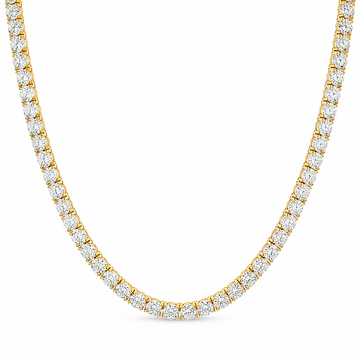
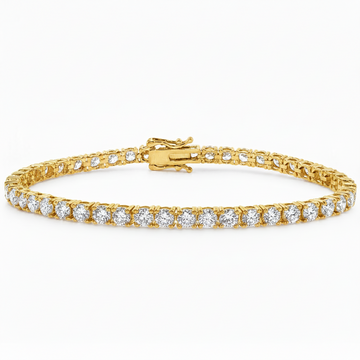
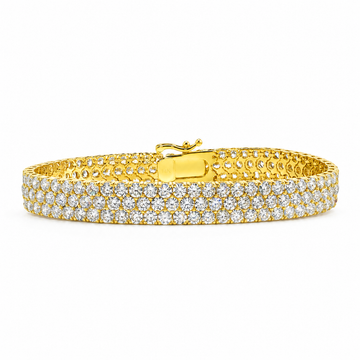
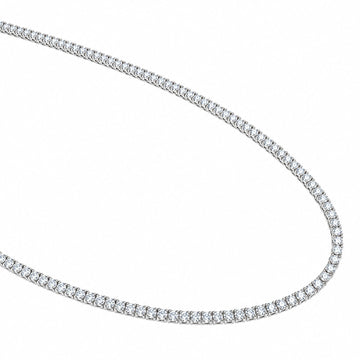
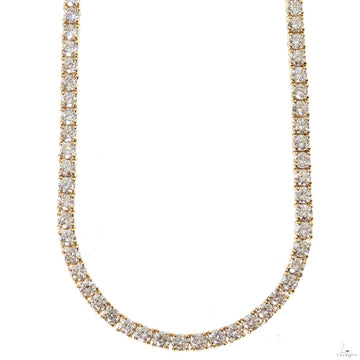
Choose the stone size first, then the length. Many titles give each stone's size as a pointer, counted in hundredths of a carat, so every stone in a 25 pointer row weighs a quarter carat, and a higher pointer makes a wider, heavier row. Pointers here run from 1.5 to 80, and the few bigger rows give carats a stone instead. Most rows are 3 to 5 mm wide, and all but two are 14K; those two are platinum. Most chains come in 22 inches, most bracelets in 7. The tennis chain guide covers the prongs and the clasp.
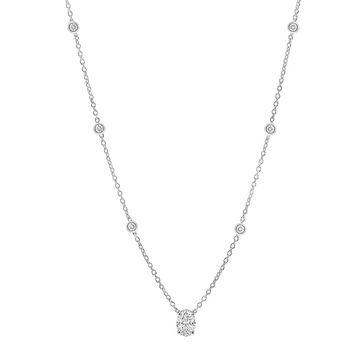
Pendants: lab grown diamond pendants and crosses
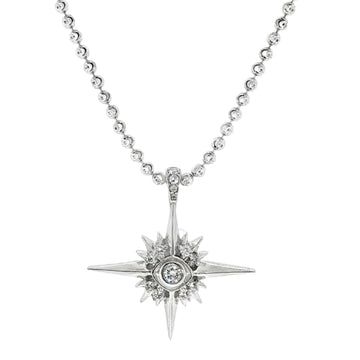
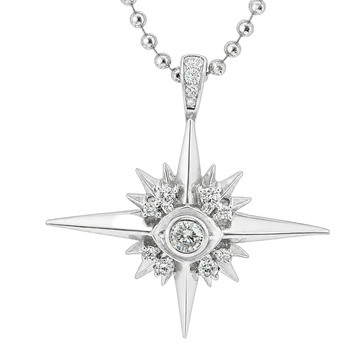
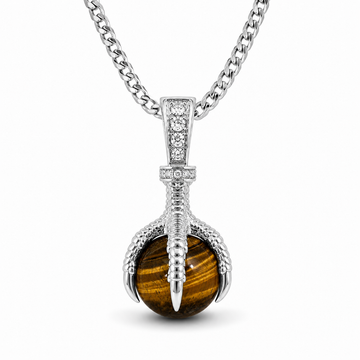
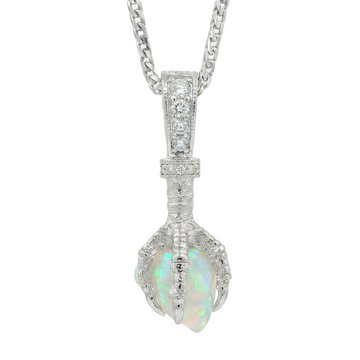
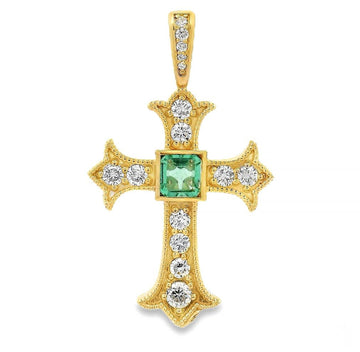
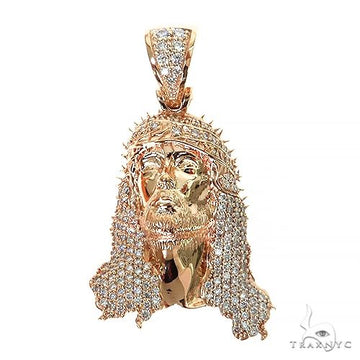
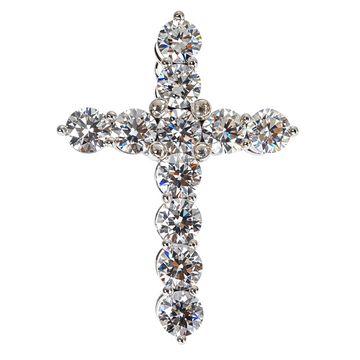
Pick the pendant with its chain in mind, since a heavy piece wants a sturdy chain. Most pendants here are 14K, some 10K and a few silver, and more than a quarter are crosses. Compare two by their grams and carats of lab-grown diamonds; nearly every listing gives both. Ask whether a chain comes with yours before you order. A pendant made to order, like a name, is final.

 Search
 Best seller