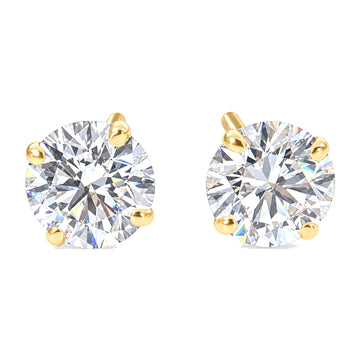
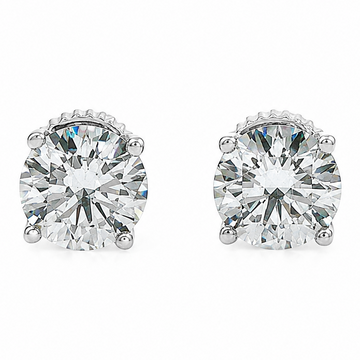
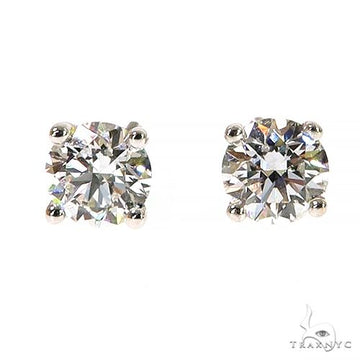
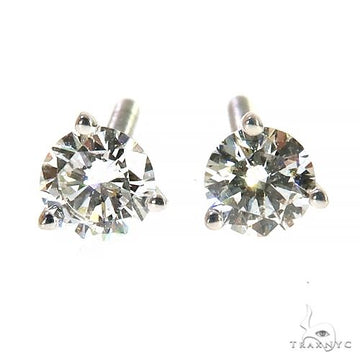
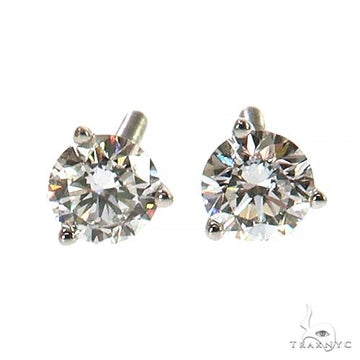
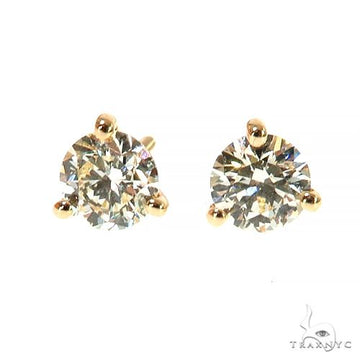
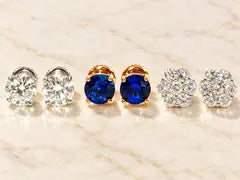
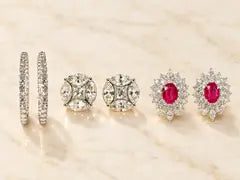
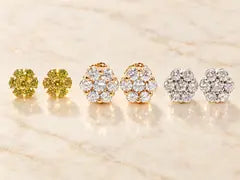
Studs first, then the carat for the pair, the size on the ear and the metal, and how lab-grown compares with natural
Lab-grown diamond earrings hold diamond: the same carbon crystal as a mined stone, grown in a lab instead of the earth. Every one of the 85 pieces here is set with lab-grown diamonds. Begin with studs, 43 of the 85 and 87 percent of the pieces sold over the year. Then pick the carat for the pair, gold or silver, and the color.
What is here: lab grown diamond earrings for women and men
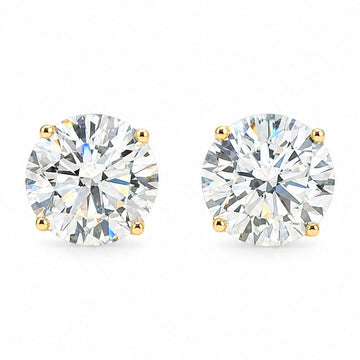
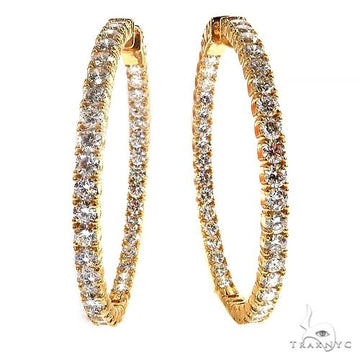
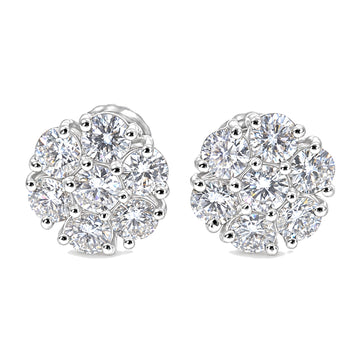
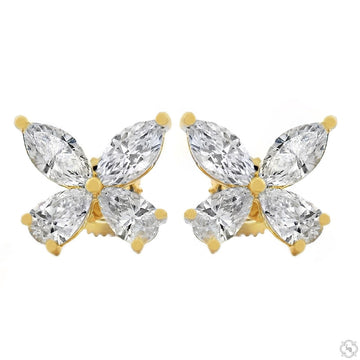
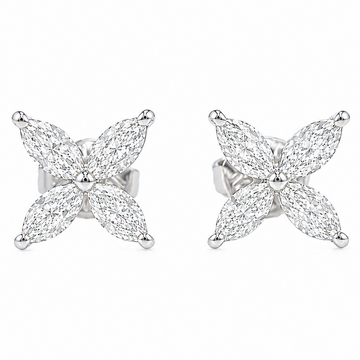
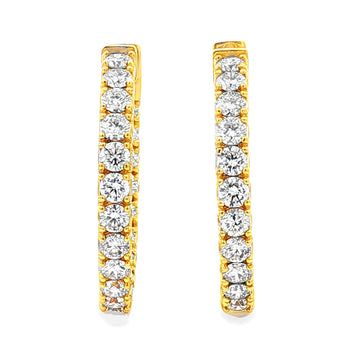
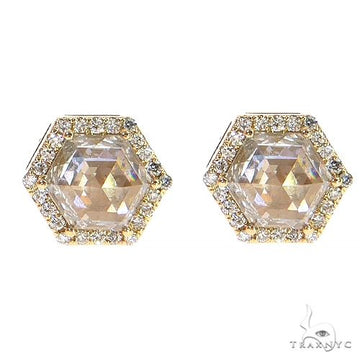
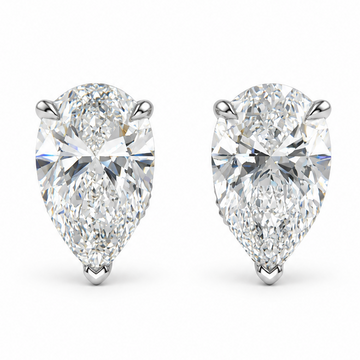
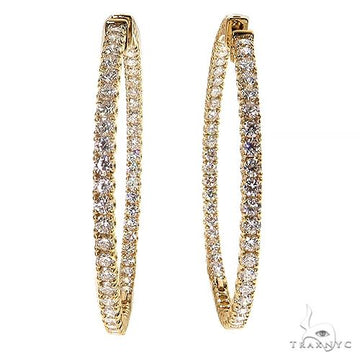
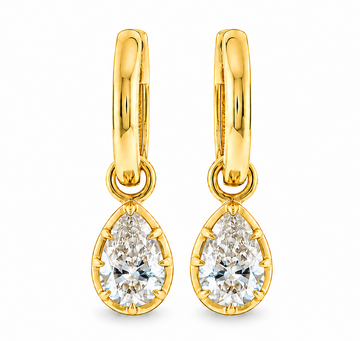
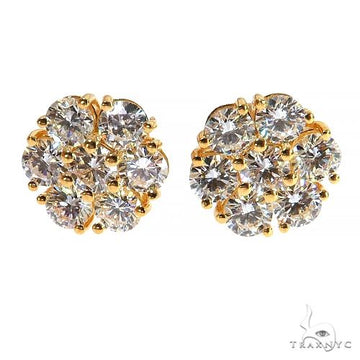
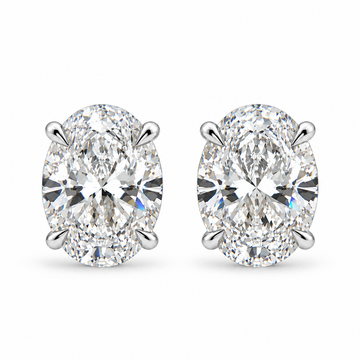
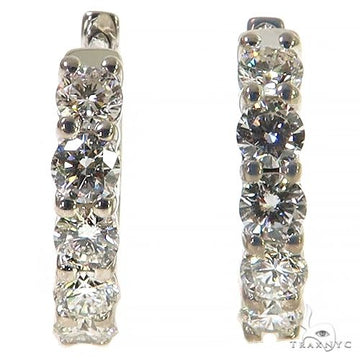
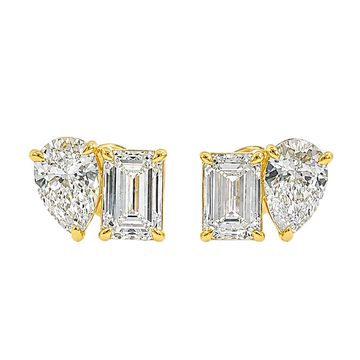
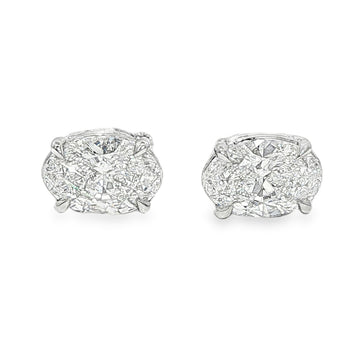
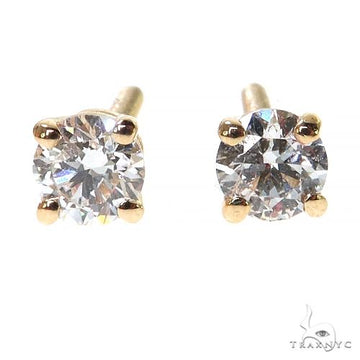
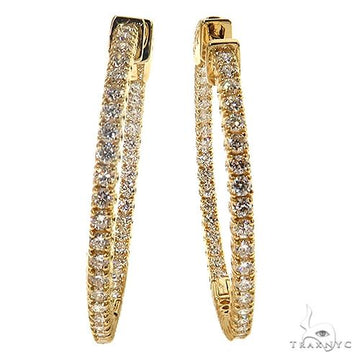
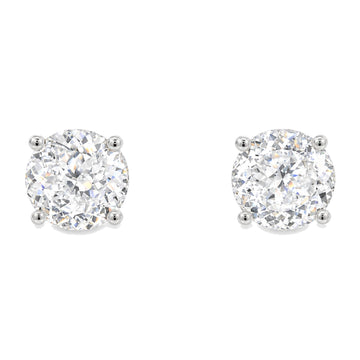
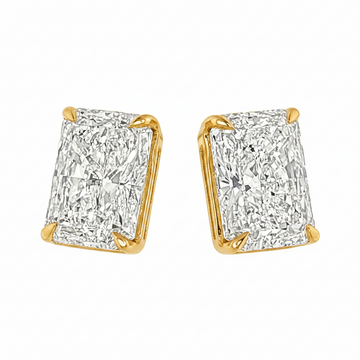
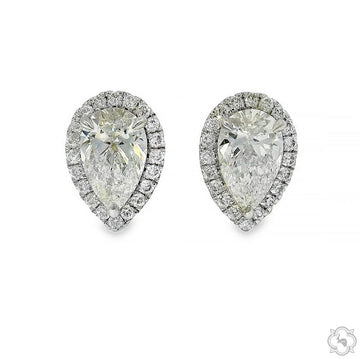
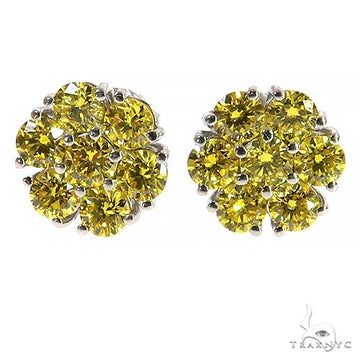
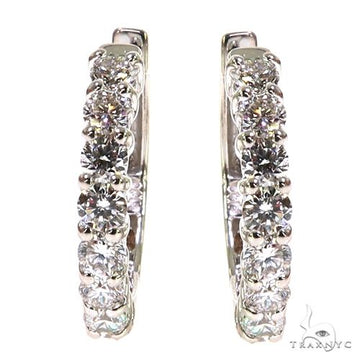
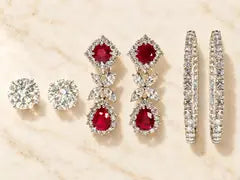
The page takes a piece only when its listing gives the diamond origin as lab-grown, and 84 of the 85 titles say it too. It holds 43 stud pairs, 19 flowers, 15 hoops, one drop and seven other shapes, among them a butterfly, a pear and a toi et moi pair. Studs carried the year: 87 percent of the pieces sold, and about the same share of the sales.
Of the 85, 73 carry the women's tag and 45 the men's, and 34 carry both, 26 of the 43 studs among them. Every hoop is tagged for women only. Among the pairs tagged only for men, the 1 ctw round studs sold most, 56 in the year. For more styles, see the women's earrings and the men's earrings pages.
Studs: lab grown diamond stud earrings, round or Portuguese
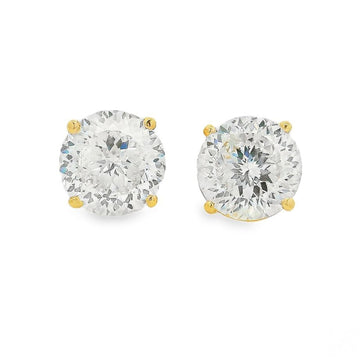
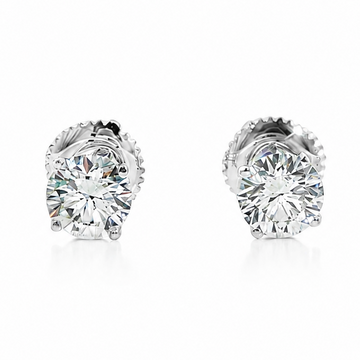
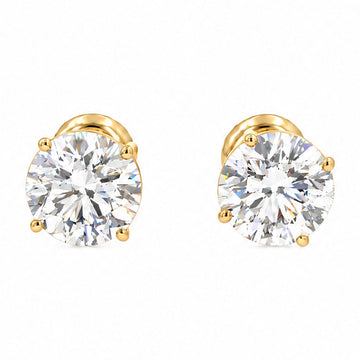
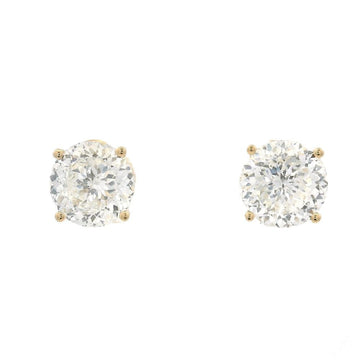
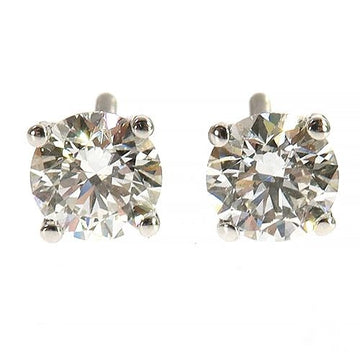
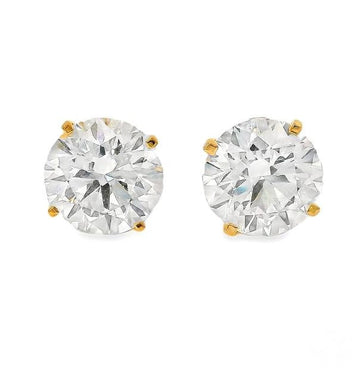
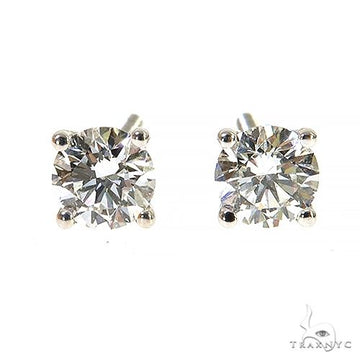
Round is the stud most buyers chose, at least 65 percent of the studs sold. The Portuguese cut came next at 18 percent: a round with more facet rows than a standard brilliant, so the light breaks into smaller, busier flashes. The 2 ctw round pair led the page with 174 sold, and the 1 ctw pair in .925 silver came second with 91.
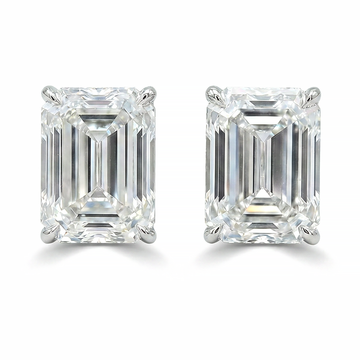
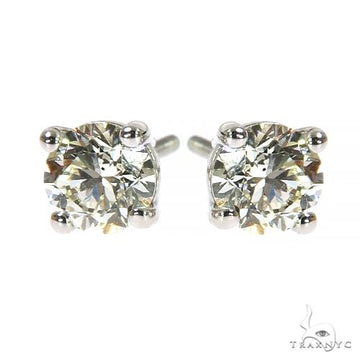
Read the grades where a listing gives them. Of the 47 pieces that print a color, 40 read D to F, the colorless end of the scale, and every clarity grade printed is VS or VVS. Prongs hold the stones on 81 of the 85, three of them in a martini setting. The 4Cs guide explains each letter. Browse lab-grown diamond stud earrings, women's studs or men's stud earrings.
Lab-grown or natural: how lab grown diamonds differ from natural diamonds
A lab-grown diamond is diamond, the same crystal of carbon as a mined stone, 10 on the Mohs hardness scale, and it bends light the same way. Where it began is the difference. A natural diamond formed deep in the earth, most of them 1 to 3 billion years ago; a lab-grown one is made in a high-pressure press or built up from a carbon gas. Neither your eye nor a pen tester can tell the two apart. A screening machine sorts them, and a gem lab settles it.
So read the origin on the listing. Here every piece's details give the diamond origin as lab-grown, even on the one title that leaves the word out, a 20 pointer flower pair. No listing on this page names a grading lab, so if you want a lab report with a pair, ask before you order: the live chat, or 212-872-9692 by call or text from 10 AM ET. Our lab-grown or natural guide shows how a gem lab tells them apart.
Carat and size: lab grown diamond earrings by carat, and how big they look
On a stud, the ctw in the title counts both ears, so 2 ctw is one carat a side; one title, 1.50ct each, names a single ear instead. A pointer is one stone's weight in hundredths of a carat: 25 pointer studs carry a quarter carat in each ear. On a flower or a hoop the pointer sizes each small stone, and the piece adds up to more; the 10 pt flower pair bought most holds 1.22 ct in all.
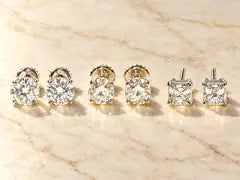
The middle stud here is 2 ctw, the size that sold most, and nine in ten studs sold were 1 ctw or more. Face up, a round of half a carat is about 5.2 mm across, one carat about 6.5 mm and two carats about 8.2 mm, by IGI's chart in our stud size guide. Studs here run from 0.20 to 10 ctw.
Metal: lab grown diamond earrings in 14K gold, 18K gold or silver
Most pieces here are 14K gold, 77 of the 85, and 14K took 88 percent of the pieces sold. Three are 18K. Five are .925 sterling silver studs from 1 to 4 ctw; they sold 109 pairs, 91 of them the 1 ctw pair. The gold comes in yellow on 75 pieces, white on 74 and rose on 56, with 55 offering all three, and you choose the color on the listing.
Every gold pair we ship within the US includes our appraisal, which records the carat and gram weights and the diamond grade. See the silver diamond stud earrings or the 14K gold earrings.

 Search