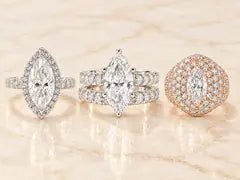
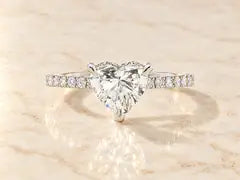
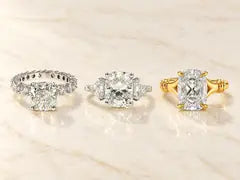
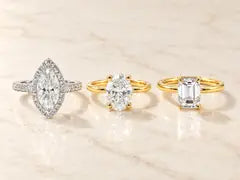
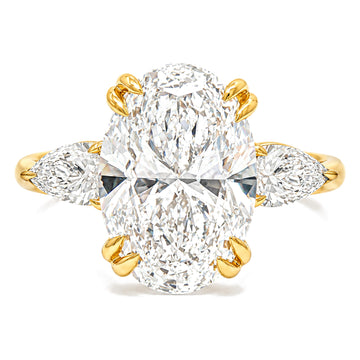
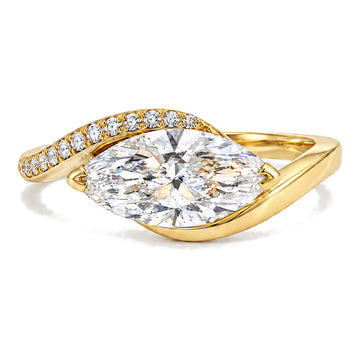
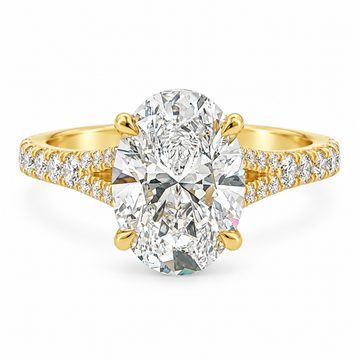
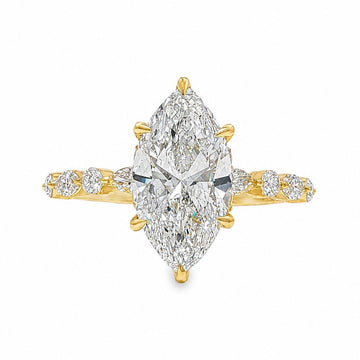
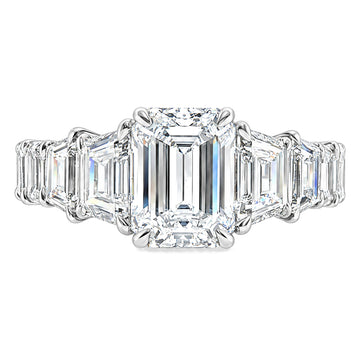
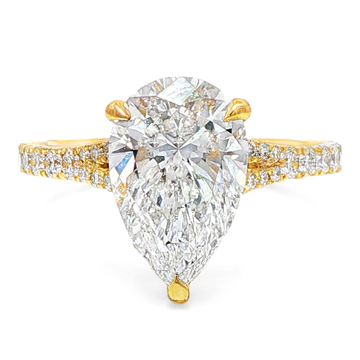
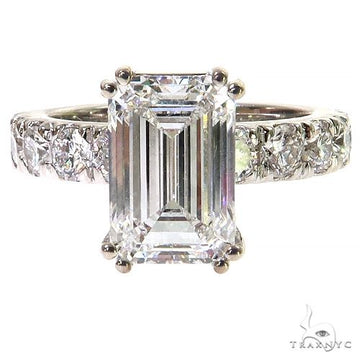
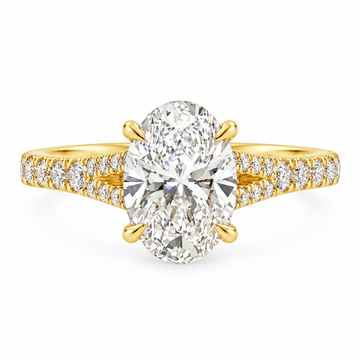
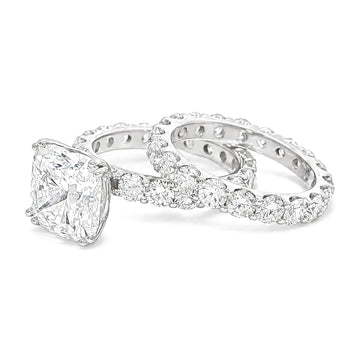
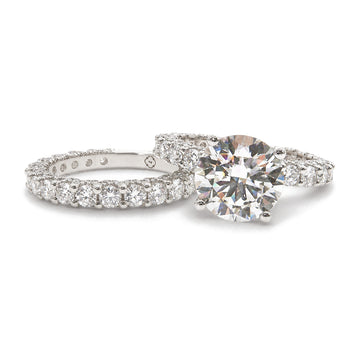
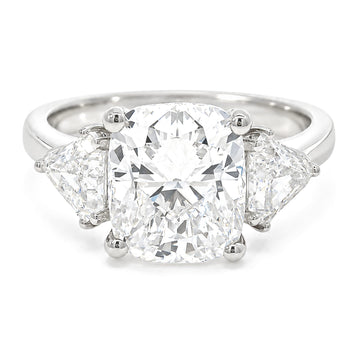
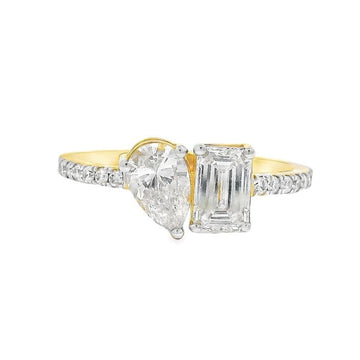
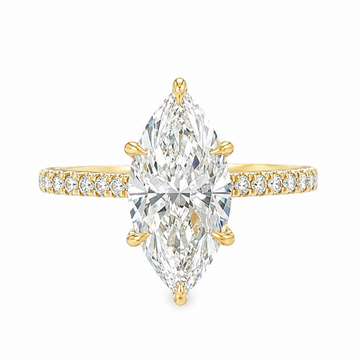
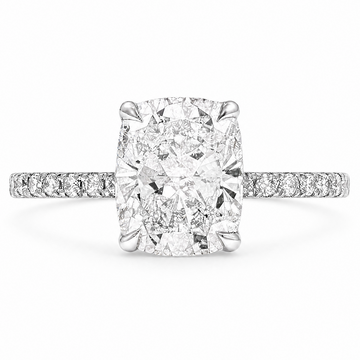
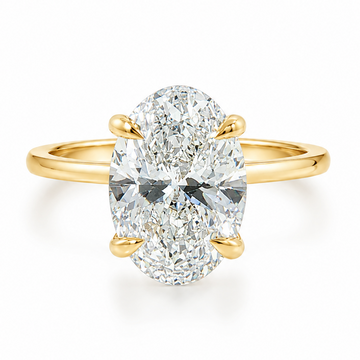
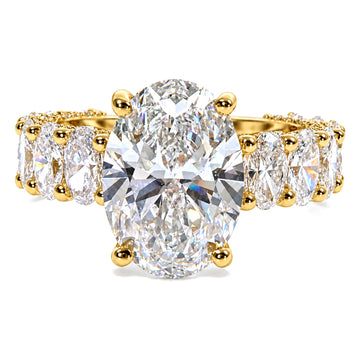
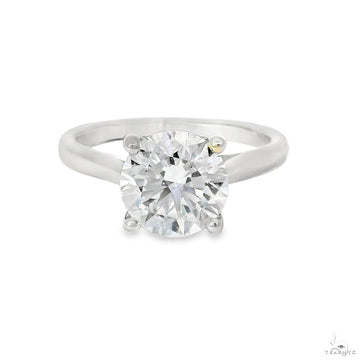
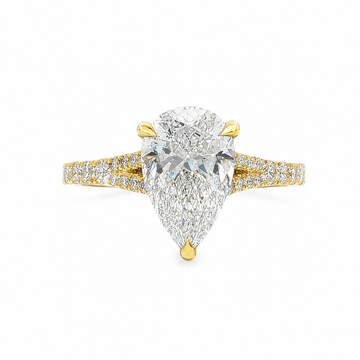
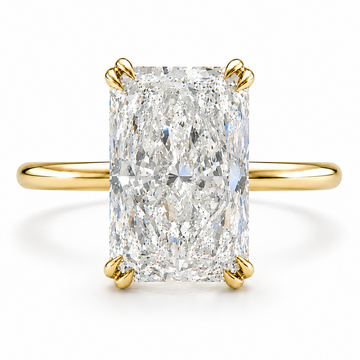
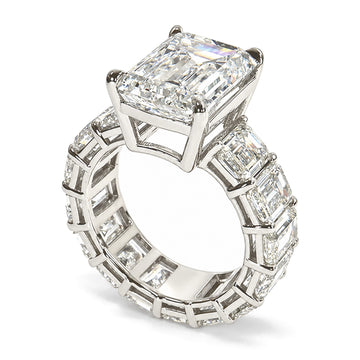
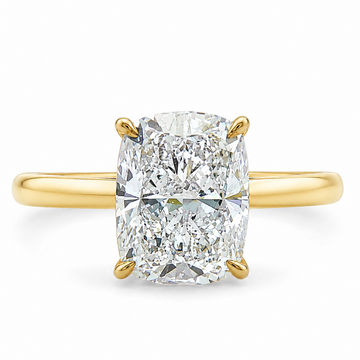
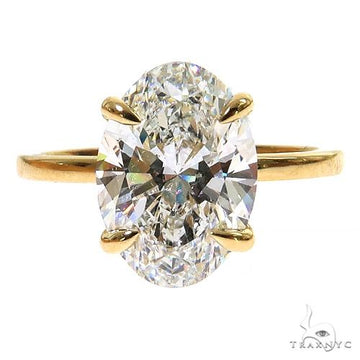
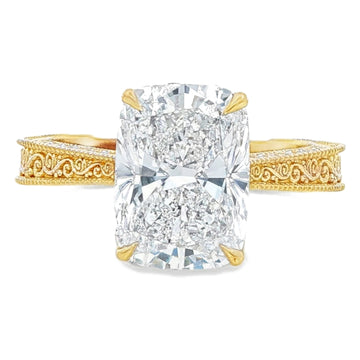
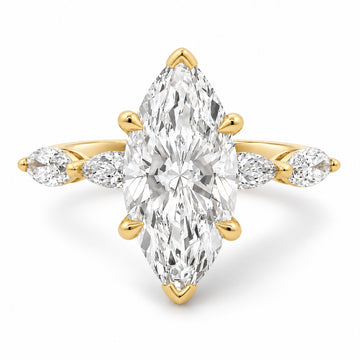
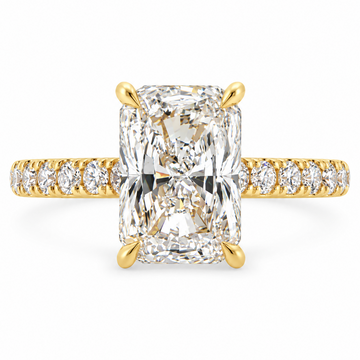
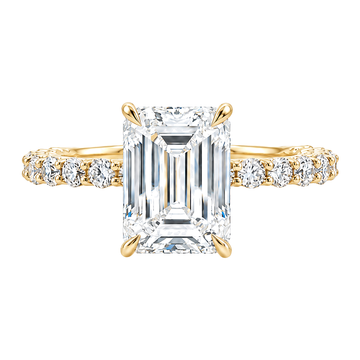
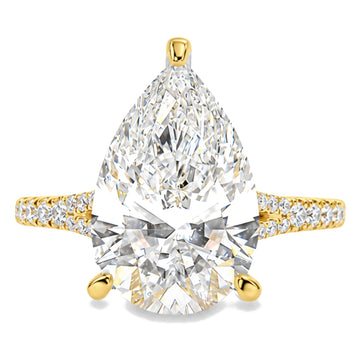
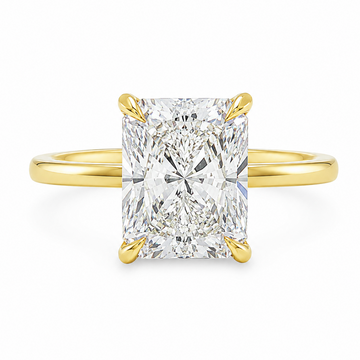
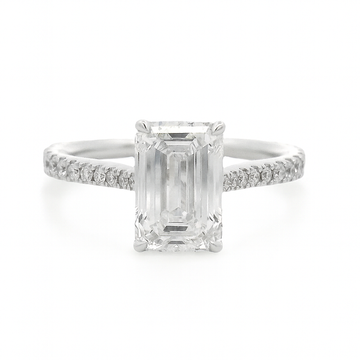
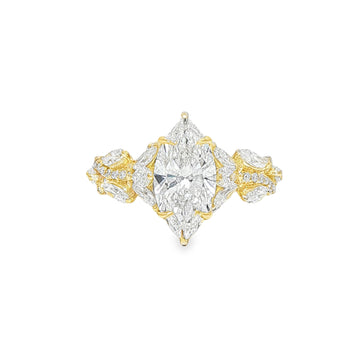
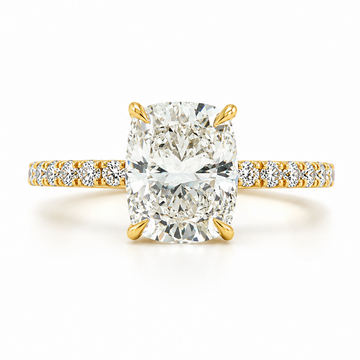
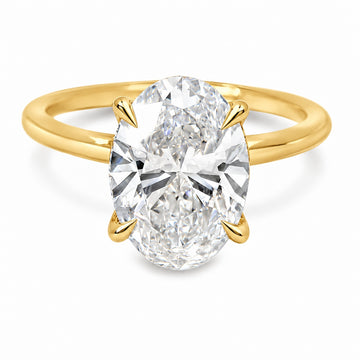
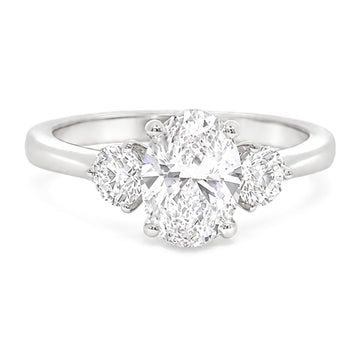
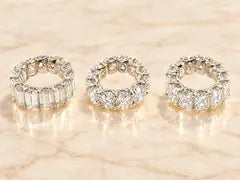
How a grown diamond compares, the shape, the center carat, the certificate, the metal and the band beside it
A lab-grown diamond is made above ground rather than mined. Lab-grown and natural diamonds of the same grade look the same; a natural diamond costs more. We don't sell diamonds as an investment, and resale value isn't guaranteed for either. Choose whichever she would want. All 121 rings here are lab-grown by the origin their listings print, and 34 name an IGI report for the center.
Lab-grown: how a lab grown diamond engagement ring compares with a mined one
It is the carbon crystal of a mined diamond, only born in a lab instead of the earth, and a gem lab's report tells the two apart. Lab-grown and natural diamonds of the same grade look the same; a natural diamond costs more. We don't sell diamonds as an investment, and resale value isn't guaranteed for either.
All 121 rings here print lab-grown for the center or for the diamonds; on some the side stones are natural, so read the side-stone line. Natural centers are on women's engagement rings.
Shape: marquise, oval, radiant, emerald cut and pear lab grown engagement rings
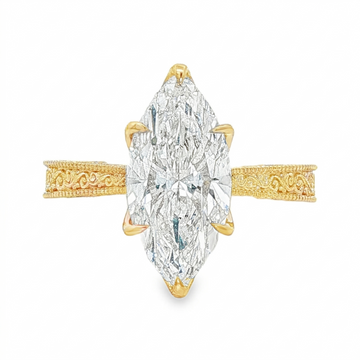
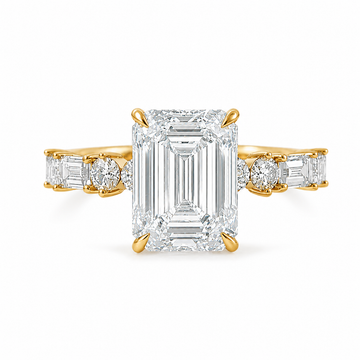
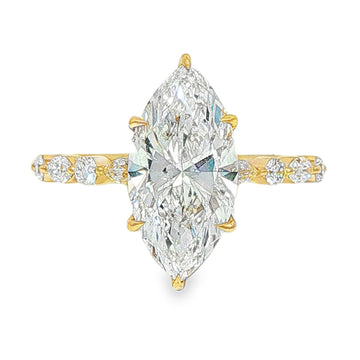
A marquise is long with a point at each end: it looks largest for its weight, and each tip wants a prong over it. An oval also reads bigger than a round of equal weight. A radiant sparkles, while an emerald cut flashes in long steps and shows more of what is inside, so its clarity counts for more. Toi et moi rings set two stones side by side.
Shape pages carry natural centers next to lab-grown ones, so read the origin on each ring there: marquise, oval, radiant, cushion, pear, emerald cut, round and princess.
Carat: 1, 1.5, 2 and 3 carat lab grown engagement rings
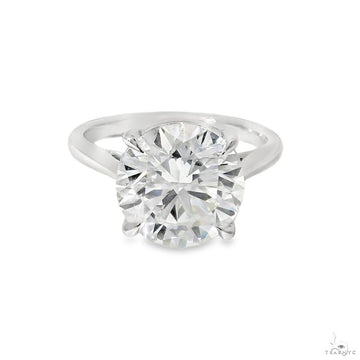
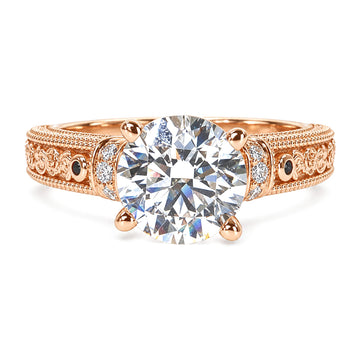
Carat is the weight of the center stone, not its width, and centers here run from 1 carat to 6. Some listings, the toi et moi rings among them, state no center weight, so ask the desk for the center before you compare. A long shape spreads its weight: a 2 carat round is about 8.2 mm across, while a 2 carat oval runs about 10 by 7.5 mm and a marquise about 13 by 6.5 mm, as the diamond size chart shows.
Certificate: IGI certified lab grown engagement rings
34 listings here name an IGI report for the center diamond, with centers of 1 to 5 carats. Most rings that give a center color are D, E or F, and every clarity given is VS or VVS; the letters are explained in the 4Cs of a diamond.
Metal and band: 14K, 18K or platinum, her ring size, and the wedding band
14K, 58.3 percent gold and made for every day, is on 88 of the rings. 18K is 75 percent gold, a richer yellow that marks more easily, and platinum stays white without plating and is the heaviest on the hand.
Most rings run every half size from 5 to 8. Borrow a ring she wears often, and note which finger it came from. Read it on the ring size chart, and ask a friend who will keep the secret which stone she likes. Made-to-order, resized or changed rings are final, so settle her size first. Plan the band with the ring, on lab-grown diamond wedding bands, women's wedding bands and wedding ring sets.
Questions we get in the store
Is a lab-grown diamond the same stone as a mined one?
It is carbon in the same crystal as a mined diamond, 10 on the hardness scale, and it returns light the same way. It is not a look-alike stone. Only the place it formed differs: a lab, not the earth.
How can you tell a lab-grown diamond from a natural one?
Not by eye, and a pen tester reads both as diamond. A gem lab tells them apart, and its report, or an inscription on the girdle that matches the report, says which. Here, read the listing's origin lines for the center and the side stones.
Do lab-grown engagement rings come with a certificate?
34 listings here say an IGI report comes with the center diamond, and none names another lab. Every US order also gets our own appraisal, listing the carats, grams and grade, and that is not a lab report. For any other ring, ask the desk first.
More questions we get
Which shape looks biggest in a lab-grown engagement ring?
The marquise: of all the shapes it looks largest for its weight, with a point at each end. An oval or a pear also reads bigger than a round of equal weight, and oval has the most listings here. Marquise engagement rings.
What carat size should a lab-grown engagement ring be?
Centers here run from 1 carat to 6, and 2 and 3 carats are the weights listed most. Read the center carat, not a total weight, which adds the side stones. No center here is under 1 carat.
Does a lab-grown diamond hold its value?
Lab-grown and natural diamonds of the same grade look the same; a natural diamond costs more. We don't sell diamonds as an investment, and resale value isn't guaranteed for either. Choose the stone she would want.
Can a lab-grown engagement ring be resized or returned?
Ready-made, returned, yes, within fourteen calendar days of delivery, unworn and unaltered. Clear it with customer service first (service@traxnyc.com, 212-391-3832); it ships only on our return label. The 5 percent restocking fee and the return shipping come off the refund. Made-to-order, resized or changed rings are final.
What wedding band goes with a lab-grown engagement ring?
One that sits flush: some listings here say their setting lets a wedding band sit flush beside it. A marquise or pear can leave a gap beside a straight band, which a curved band closes. See the lab-grown wedding bands.
How much does a lab-grown engagement ring cost?
Each listing prints its own price. It moves with the center's carat, shape, color and clarity, the side diamonds and the metal. Before you pay, ask a jeweler whether a ring is ready-made or made to order: the live chat, or 212-872-9692 from 10 AM ET.

 Search
 Best seller