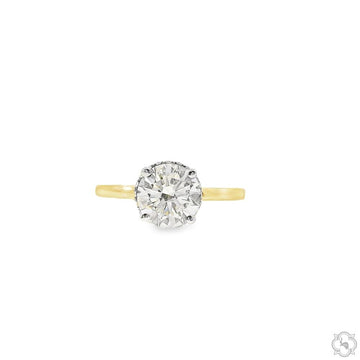
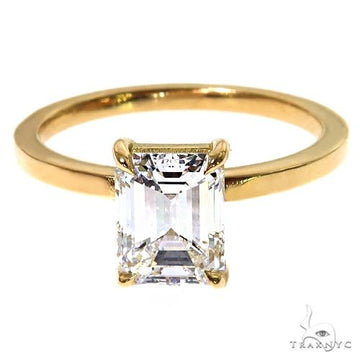
Read the center carat first, then its color and clarity, then her size and the metal
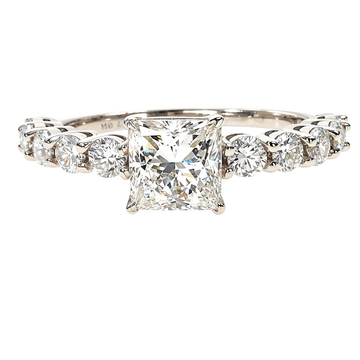
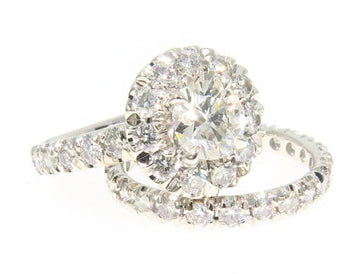
Choose the center diamond first, and read its own carat, since the side stones are weighed apart and on most rings here they outweigh it. Every center here is natural, mined from the earth, and the middle one is about a carat. Most graded centers are G or H color, which looks white once set, and most are SI clarity. Then get her size right, because a resized ring cannot come back.
Natural or lab: natural vs lab-grown diamond engagement rings
Either way it is a real diamond, equally hard and graded on the same letters. A natural one formed deep in the earth and was mined. A lab-grown one takes a few weeks in a chamber, and only a lab instrument can tell the two apart. Every center here is natural, and the small stones are too wherever the listing names their origin. Neither is the wrong buy. The grown side is on lab-grown engagement rings.
Center carat: how many carats for a natural diamond engagement ring
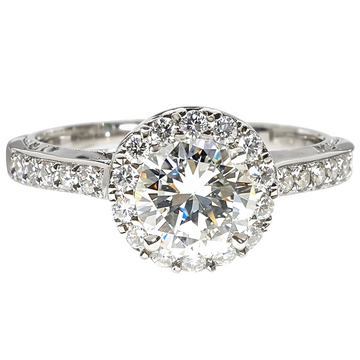
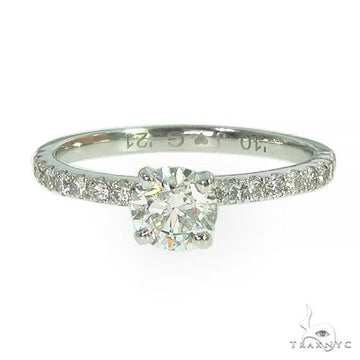
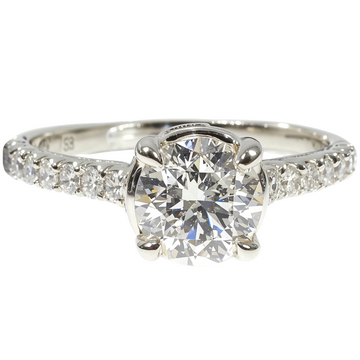
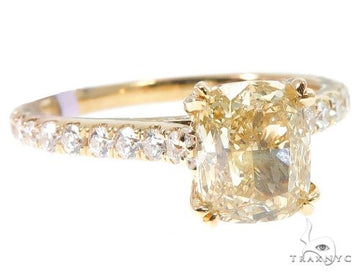
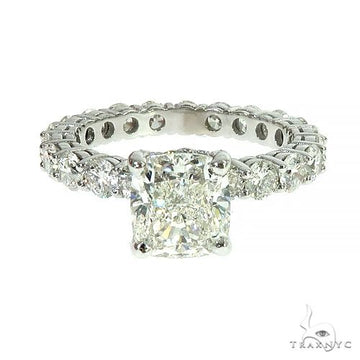
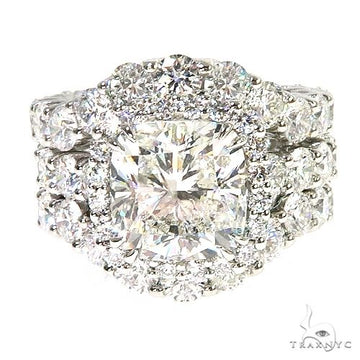
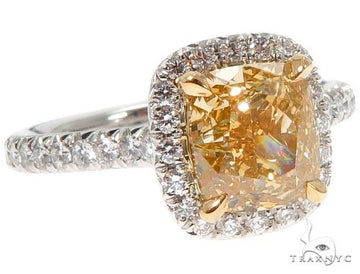
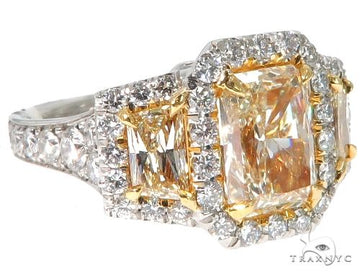
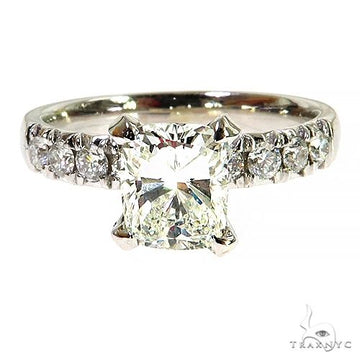
Read the center carat on the listing, never the total. The side diamonds are weighed on a line of their own, and on most rings here they weigh more than the center does. The middle center is about a carat, and more than half reach a carat or more. Across the top, a round of one carat is close to 6.5 mm. Most rings bought here in the year held a smaller center, under three quarters of a carat. The largest stone here is a canary cushion of just over 8 carats.
Color and clarity: which grade to pick for a natural diamond
For the biggest natural stone, look at H or I color with SI2 clarity. Set on her hand, it still reads white, and the carat grows instead. E color and VS clarity and better are the rarer grades. The pair seen most here is G color with SI1 clarity. About a quarter of the listings print no grade at all. Before you choose, ask for the color, clarity, cut, symmetry and fluorescence, and whether a lab report stands behind the stone. Get those answers in the live chat, or call or text 212-872-9692 from 10 AM ET.
Shape, setting and metal: round, cushion, halo, 18K or platinum
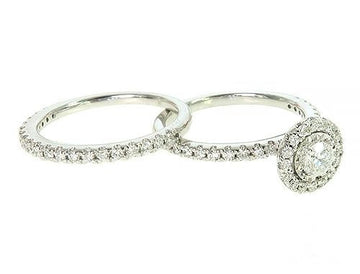
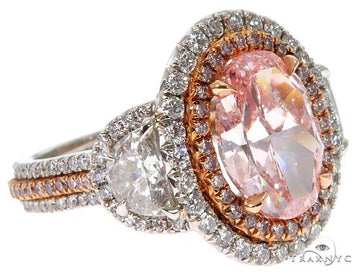
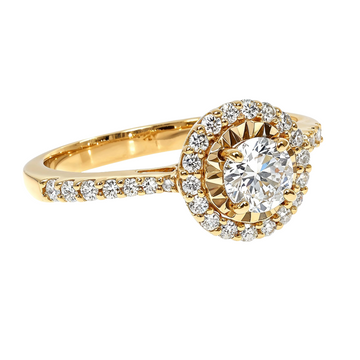
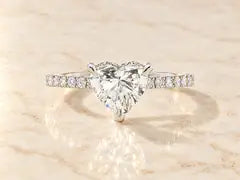
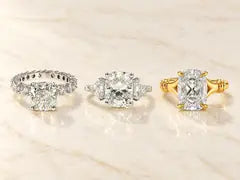
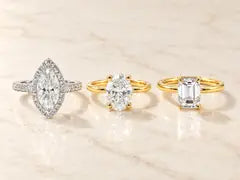
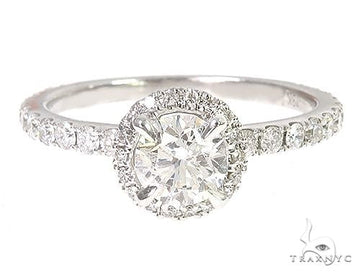
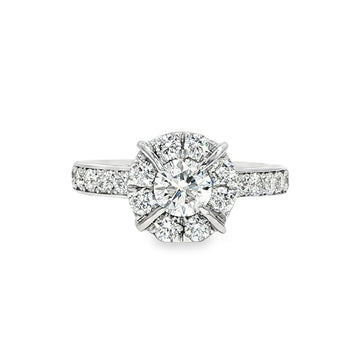
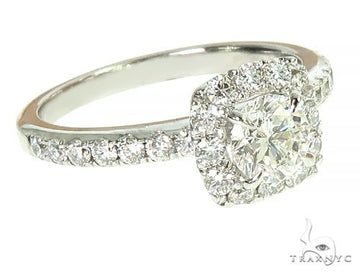
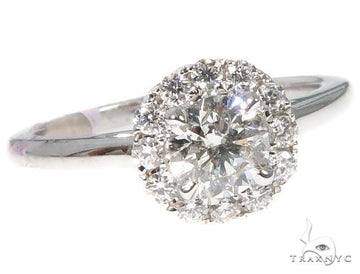
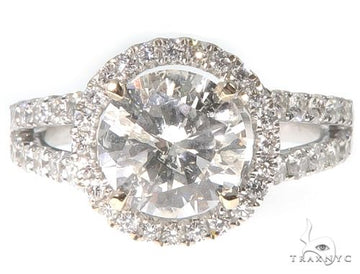
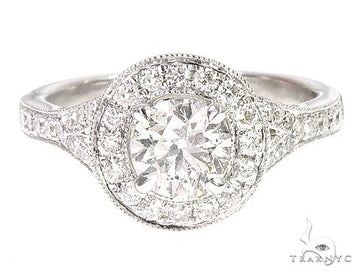
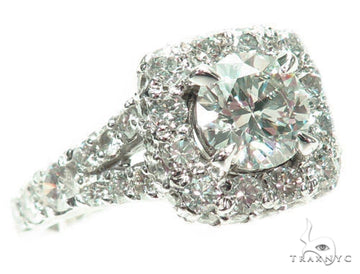
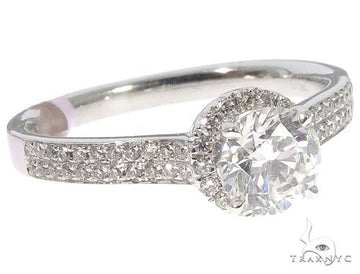
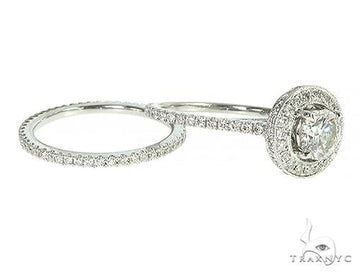
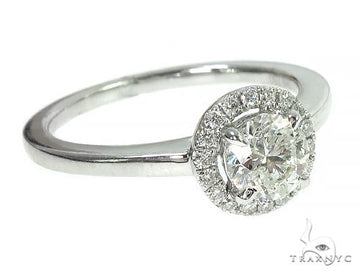
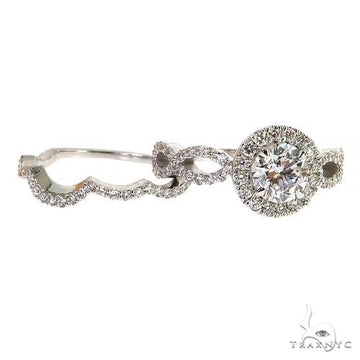
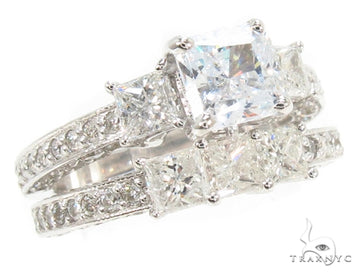
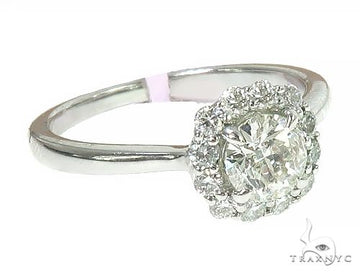
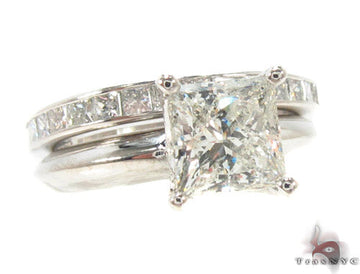
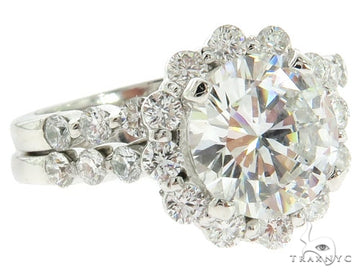
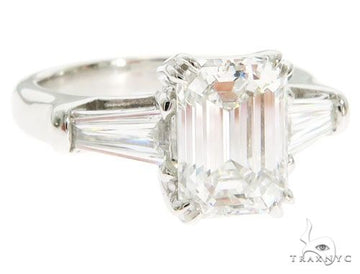
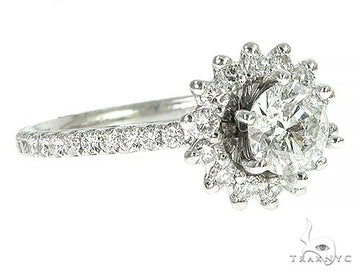
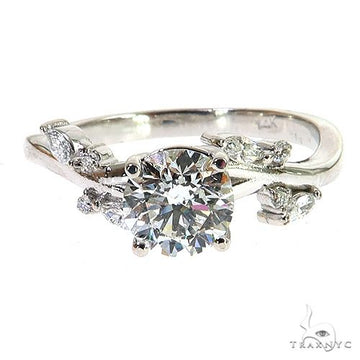
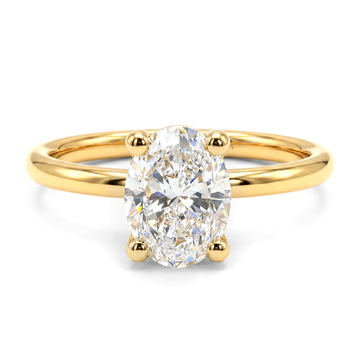
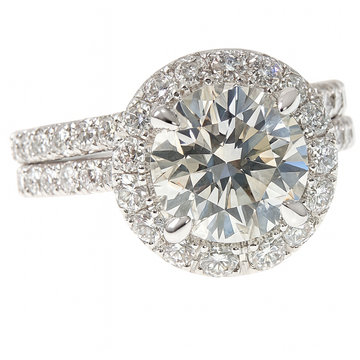
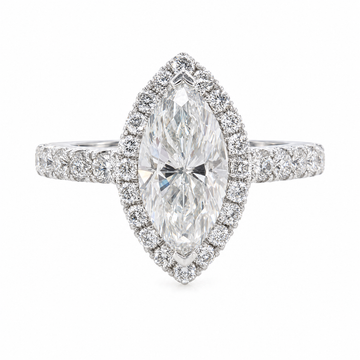
Round is the shape on about half these rings. Of the rings here bought in the year, all but two had a round center. Cushion comes next, then a few ovals, princess cuts and radiants. Almost every center sits on prongs, and some are framed by a halo of small diamonds that makes the face look wider. Just over half the rings are 18K gold, the deeper yellow. For daily wear, 14K is the harder gold. Platinum stays white with no plating and sits heavier on the hand. Yellow, white and rose are offered on nearly every gold ring.
Her size: finding her ring size in secret
Take one of her rings from the finger the new ring will go on and have it measured, or read it against the ring size chart. A friend she trusts can tell you her size, and which stone she likes, and keep the secret. On more than half these rings, each half size from 5 to 8 is offered. A dozen show one size or none, so ask the desk whether that ring comes in hers before you order. Measure to the half, since a resized ring is final sale.

 Search