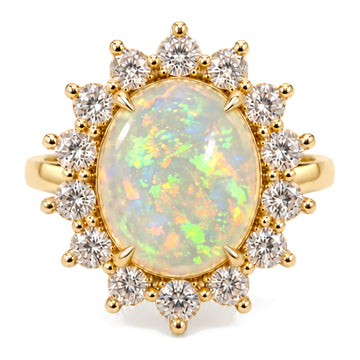
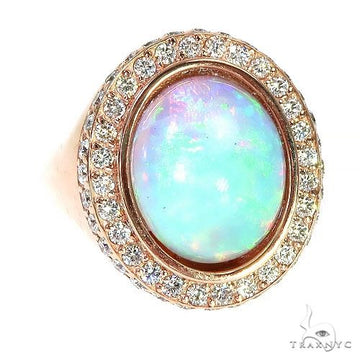
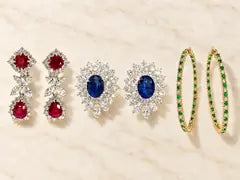
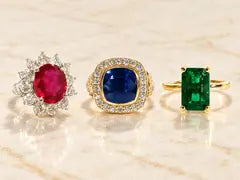
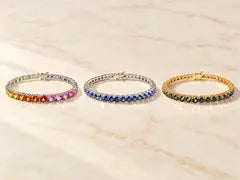
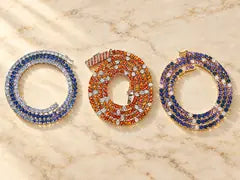
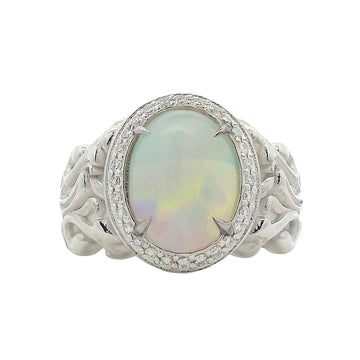
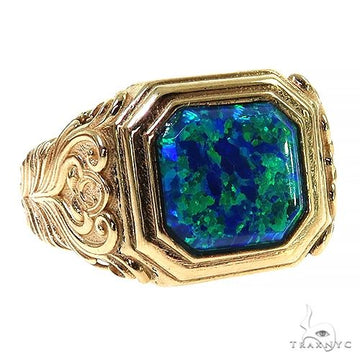
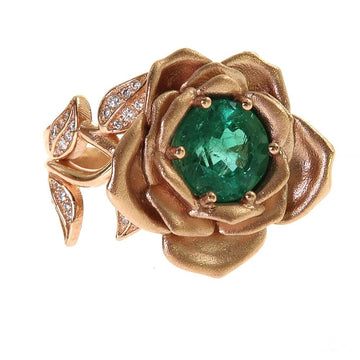
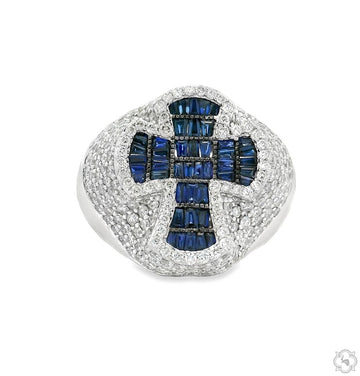
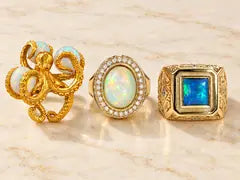
Choose the stone for how hard the ring will work. Sapphire and ruby shrug off the knocks of daily wear, so start there for a ring that never comes off. Opal is soft and wants a gentler life, yet opals were more than half of the rings sold, most of them sterling silver. Measure the finger before you order, and ask us whether a stone is mined or lab-made, since most listings do not say.
Which stone: the best gemstone for a ring you wear every day
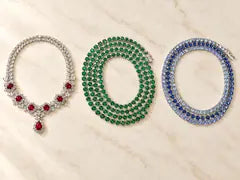
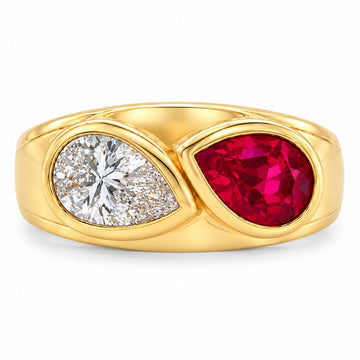
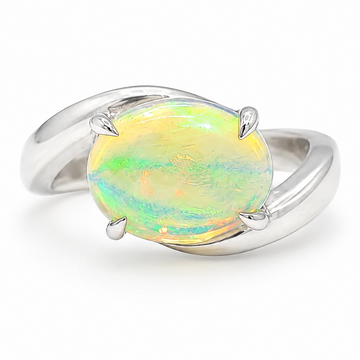
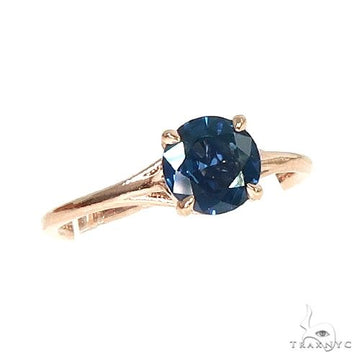
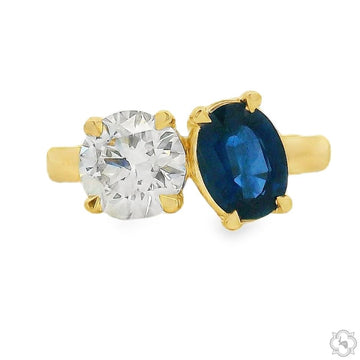
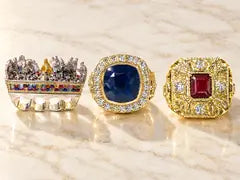
Start with sapphire or ruby for a ring that stays on. Both are corundum, rated 9 on the Mohs scale, a step under diamond. Topaz rates 8. Garnet, amethyst and quartz sit near 7, fine for most days. Emerald chips more easily than its number suggests, since fine fissures inside give a sharp knock a place to start. Opal is soft and holds water. By birth month, garnet belongs to January, emerald to May, ruby to July, sapphire to September and opal to October.
The setting: prong, bezel, channel and burnish set gemstone rings
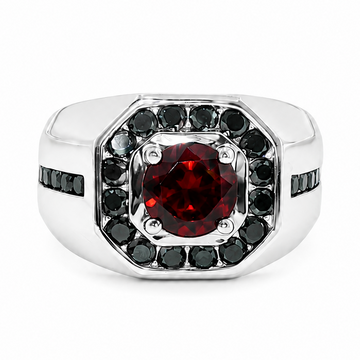
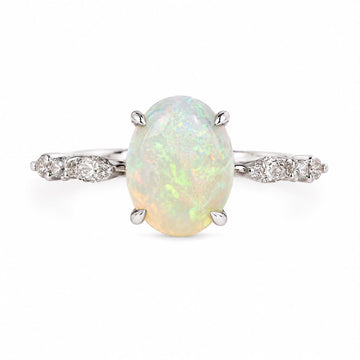
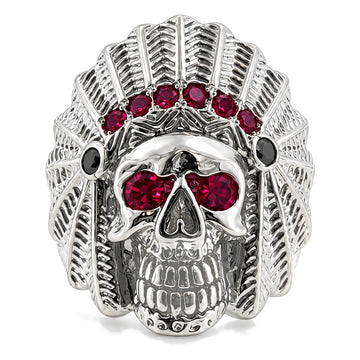
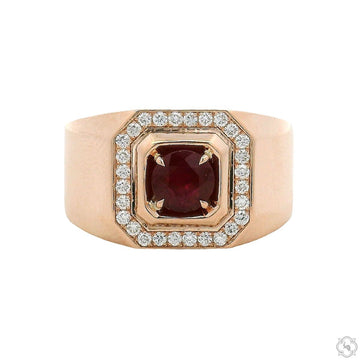
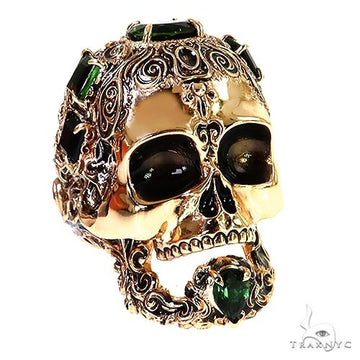
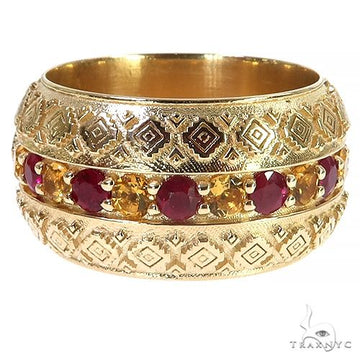
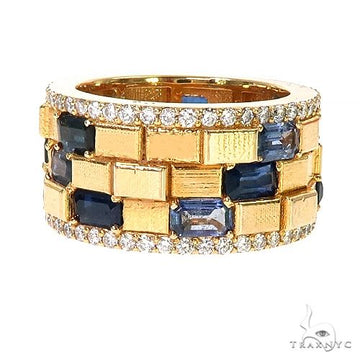
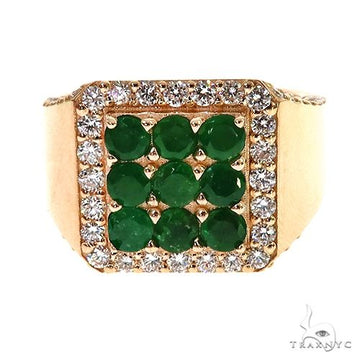
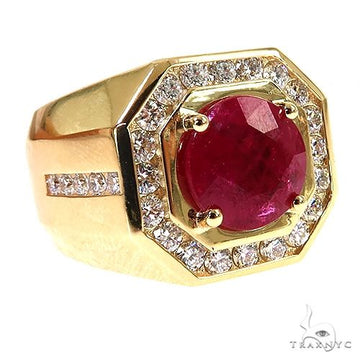
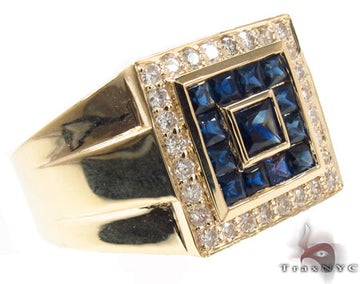
Prongs are the everyday setting, holding the stone on nearly four rings in five. Claws let in the most light, but they can snag a sweater and loosen with the years, so have them checked yearly. A bezel wraps the stone's edge in a rim of metal and guards it best, which suits a soft opal or a brittle emerald. A channel holds small stones between two rails of metal, and a burnish, or flush, setting sinks each one level with the band. Those three sit mostly on the men's rings, the Godfathers among them.
Ring size: gemstone ring sizes for men and for women
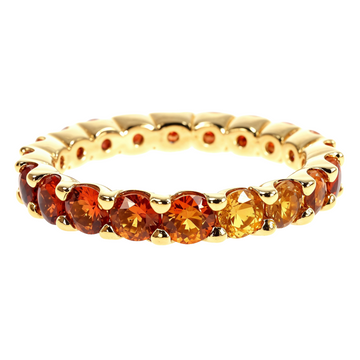
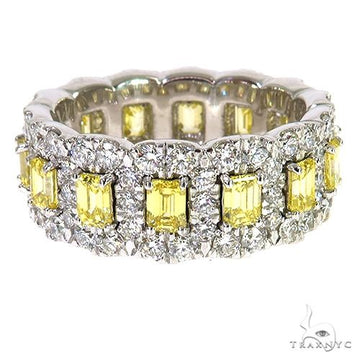
Measure before you order, because the men's and women's rings come in different size ranges. Most men's rings offer every size from 9 to 11, and many stretch wider. Most women's rings offer 5 to 8. Nearly every ring comes in half sizes, and the opal pinky ring runs down to 2. Most eternity bands come in one size only, and stones set the whole way round leave no plain metal to cut. If a ring will need sizing, ask us first, because a resized ring cannot come back.
Silver or gold: sterling silver and 14K gold gemstone rings
Take 14K gold for a ring you keep and wear hard. Most rings here are 14K, and most of the gold rings come in yellow, white or rose. Sterling sold best, about two of every three rings bought, most of them opals. It is softer than 14K and dulls with wear, so wipe it with a polishing cloth now and then. The typical man's ring here weighs about 19 grams. A woman's is nearer 4. See the men's gemstone rings or the women's gemstone rings for one case at a time.
Natural or lab: mined, lab-made and synthetic gemstones
Ask us whether a stone came out of the ground or out of a lab before you pay, since most listings do not say. When a listing does say, the word is usually natural. A few rings are marked lab-made or synthetic, among them an alexandrite solitaire and a large ruby. A lab-grown stone shares the mined one's chemistry and hardness, so it wears no differently. Only one listing names a treatment, an emerald it calls enhanced, so ask what any stone has been through.

 Search
 New