
 Search
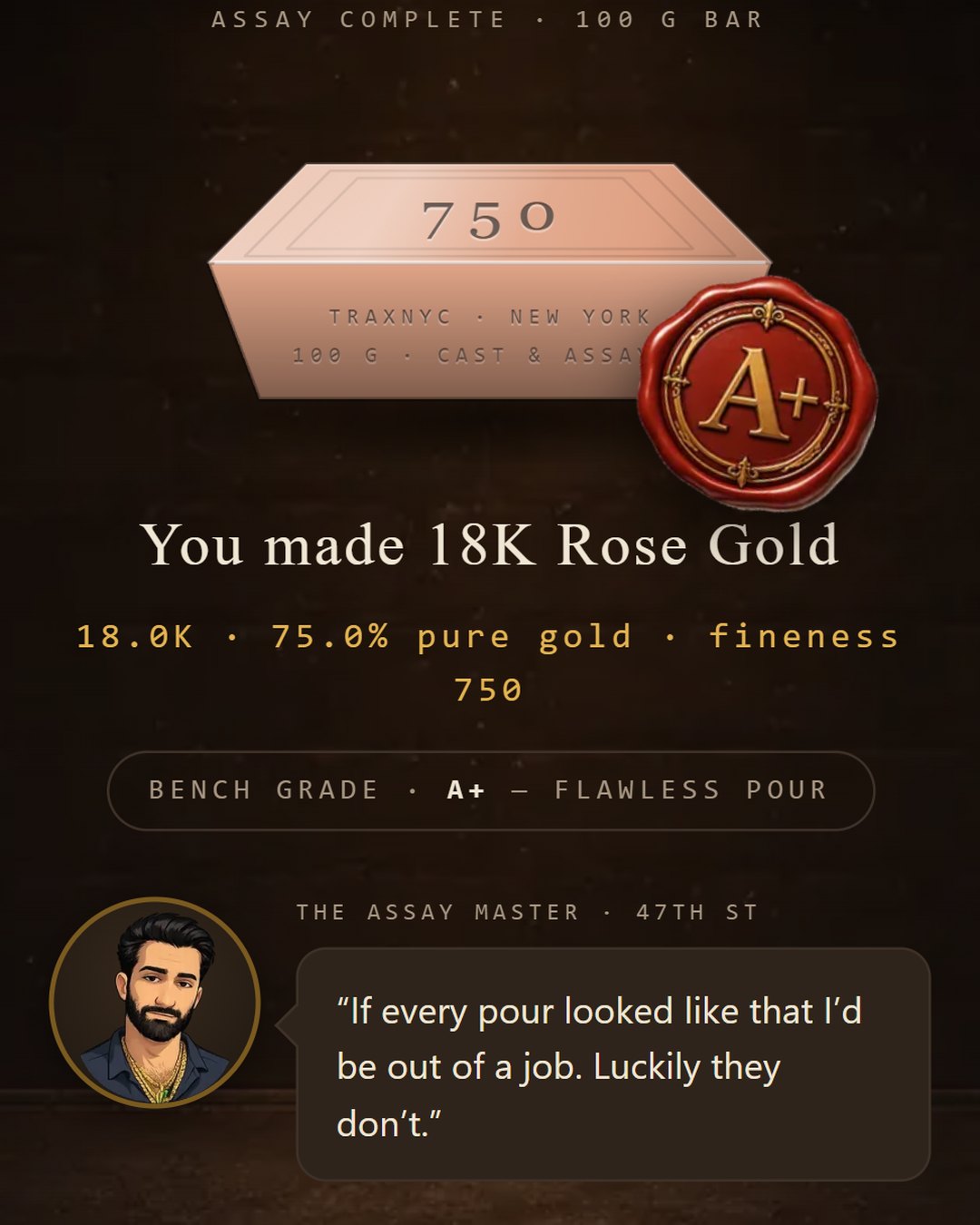
What's Inside Your Gold: Every Recipe in the Smelt
Rose gold is gold and copper. Green gold is gold and silver. Purple gold is gold and aluminum. Here is every recipe the Smelt knows, and a button to mix each one yourself.
The Smelt is a game TraxNYC built. Ten jars of casting grain sit on the shelf: gold, silver, platinum, palladium, copper, tin, nickel, zinc, aluminum and lead. Pour a recipe into the tray, hit Smelt, and the assay tells you what you made: the karat, the stamp a refiner would put on it, a bench grade, and what the metal in it is worth at the day's spot price.
The game knows real recipes, the same ones jewelers and refiners use. Here they are in words. Every recipe below opens in the game with one tap, already poured: hit Smelt and see the bar.

Karat: how much of it is gold
Karat counts gold in 24 parts. 18K is 18 parts gold and 6 parts other metals; 14K is 14 parts gold and 10 parts other metals. The stamp inside a ring or on a clasp says the same thing in thousandths: 750 is 18K, 585 is 14K.
| Karat | Gold | Stamp |
|---|---|---|
| 24K | 99.9% | 999 |
| 22K | 91.6% | 916 |
| 18K | 75% | 750 |
| 14K | 58.3% | 585 |
| 10K | 41.7% | 417 |
| 9K | 37.5% | 375 |
The rest of the recipe decides everything else: the color, how hard the metal is, and how it wears. Choosing a karat for a chain? 10K, 14K or 18K: how they compare.
Mix it in the Smelt: 24K · 22K · 18K · 14K · 10K
The colors of gold
Pure gold is one color. Every other color is a recipe.
Yellow gold
14K yellow: 58.3% gold, with silver, copper and a little zinc
Silver and copper in balance around the gold: the classic jewelry recipe. Copper warms the color, silver brightens it, and together they make gold hard enough to wear every day.
Mix it in the Smelt: 14K yellow gold · 18K yellow gold
Rose gold
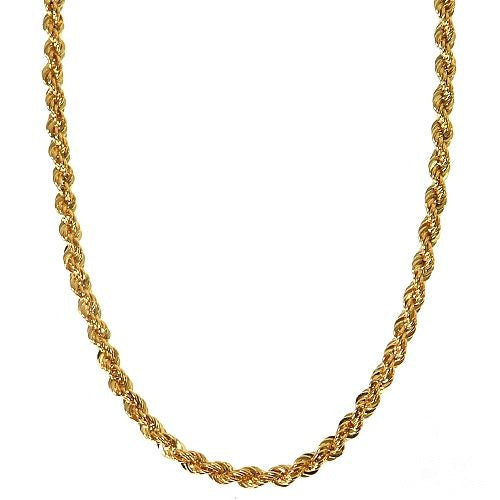
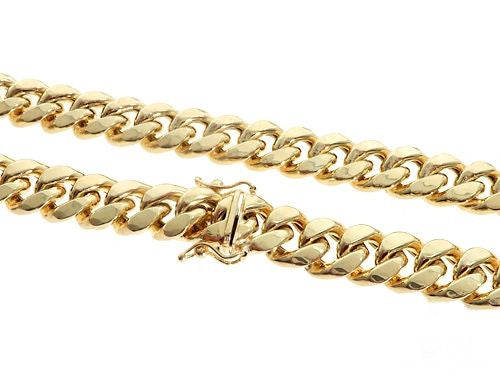
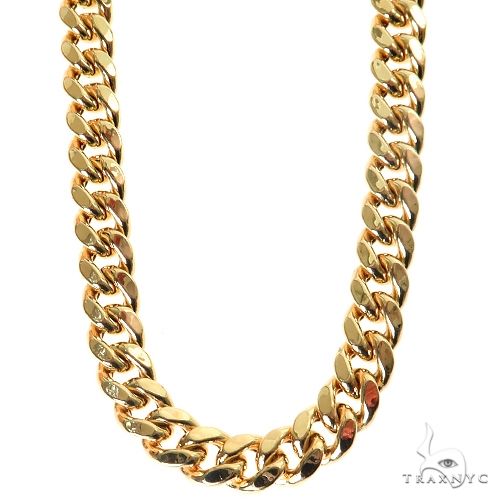
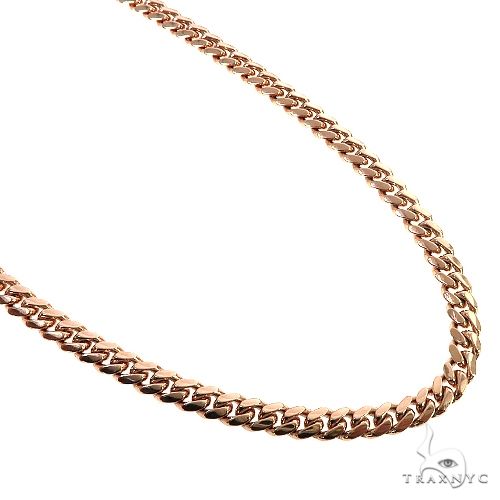
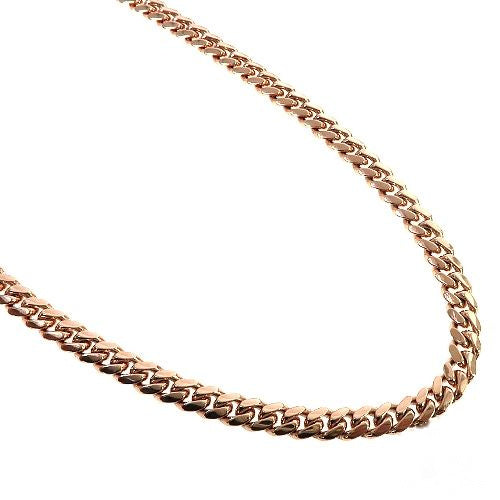
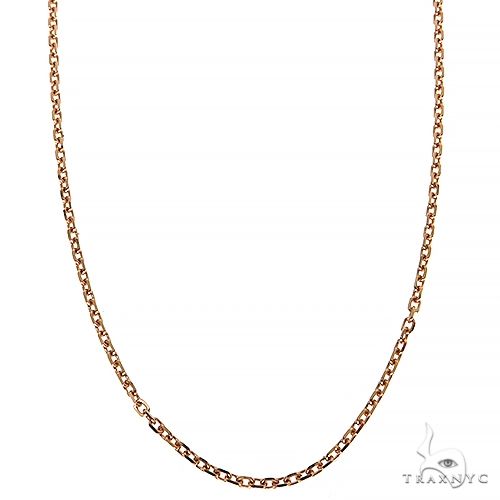
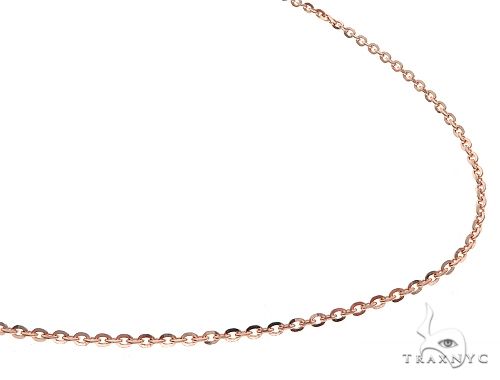
18K rose: 75% gold, about 22% copper and 3% silver
Copper gives gold its blush. More copper pushes the color toward red; a little silver softens it toward pink. 14K rose gold carries more copper than 18K, so it reads a deeper pink. Push the copper further and you get red gold.
At 10K there is more copper than gold, so a 10K rose piece can darken a little with wear. A polish brings it back.
Mix it in the Smelt: 18K rose gold · 14K rose gold · 18K red gold
White gold
Two recipes: gold with nickel, or gold with palladium
Nickel white gold (14K: gold with copper, nickel and zinc) comes out of the crucible a warm gray. The bright white you see in a case is a rhodium plating over it, which wears with time and can be redone. Nickel is also one of the most common skin allergies, which is why the European Union limits how much nickel jewelry may release.
Palladium white gold (18K: gold with palladium and a little silver) is white on its own: no nickel, and no plating needed. It is the premium recipe, and it costs more. For the side-by-side, read white gold vs. yellow gold.
Mix it in the Smelt: 14K nickel white gold · 18K palladium white gold
Green gold
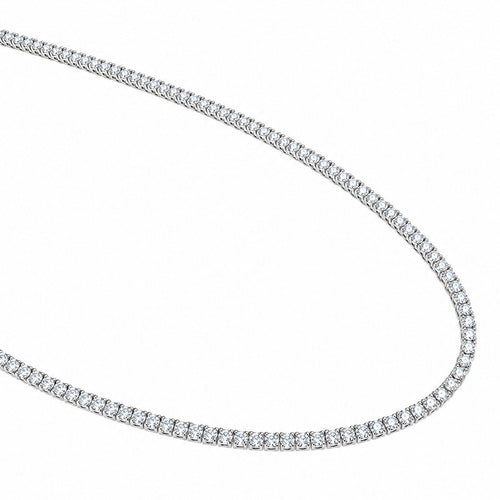
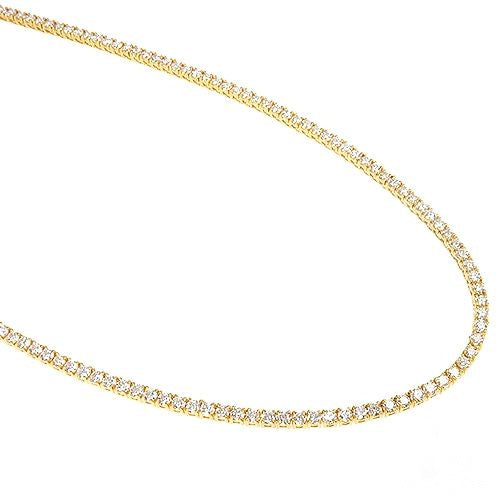
18K green: 75% gold and 25% silver, almost no copper
Gold with silver and almost no copper turns a pale, cool yellow with a green cast. Nature makes it too: electrum, the natural mix of gold and silver that the first coins were struck from, more than 2,600 years ago. With even more silver the color washes out toward straw.
Mix it in the Smelt: 18K green gold
Purple gold
About 79% gold and 21% aluminum
Gold and aluminum don't blend like the others. They lock into a compound, AuAl2, with a true violet color. It is real, it is rare, and it is brittle as glass, so purple gold is cut and set like a stone, never bent into a band.
Mix it in the Smelt: Purple gold
Pure gold, and 22K
24K: 99.9% gold, stamped 999. 22K: 91.6% gold, stamped 916
Pure gold is the deepest yellow and it never tarnishes, but it is soft: it bends and scratches in daily wear, which is why rings and chains are made in 10K, 14K and 18K. 22K is still mostly gold, rich in color and softer than 18K. It is the everyday gold across India and the Middle East.
Mix it in the Smelt: Pure gold · 22K gold
Gold solder
14K solder: 14K gold with zinc added, so it melts first
Every karat has its own solder: gold of the same karat, alloyed to melt a little lower, so it flows into a joint before the piece around it softens. It is how links are closed and chains are put together.
Mix it in the Smelt: 14K gold solder
Under 10K
9K: 37.5% gold, stamped 375. 8K: 33.3% gold, stamped 333
In the U.S., a piece under 10 karats can't be called gold. The U.K. hallmarks 9K as gold, and Germany also stamps 8K.
Silver
Silver is counted in thousandths too. Pure silver is too soft for most jewelry, so it gets a little copper.
Fine silver
99.9% silver, stamped 999
The whitest of the metals, and slow to tarnish, but soft enough to bend under a thumb.
Mix it in the Smelt: Fine silver
Britannia silver
95.8% silver, stamped 958
The British standard above sterling: a little more silver, a little softer.
Mix it in the Smelt: Britannia silver
Sterling silver
92.5% silver and 7.5% copper, stamped 925
The copper makes it hard enough to wear every day, and it also makes it tarnish faster than fine silver. More in our 925 silver chains guide and does sterling silver tarnish?
Mix it in the Smelt: Sterling silver
Liquid error (snippets/mag-piece line 132): comparison of String with 0 failedCoin silver
90% silver, stamped 900
The recipe of U.S. dimes, quarters and half dollars minted through 1964.
Mix it in the Smelt: Coin silver
800 silver
80% silver, stamped 800
Common in older European silverware. More copper means a harder metal and faster tarnish.
Mix it in the Smelt: 800 silver
Platinum and palladium
Platinum 950
95% platinum, stamped 950 or PT950
The standard for platinum jewelry: platinum with a little of another metal, such as copper, cobalt or ruthenium, so it can be worked. Heavier than gold and white all the way through, and it melts at 1,768 °C, about 700 degrees hotter than gold. 900 platinum, a little harder, turns up in older pieces.
Mix it in the Smelt: Platinum 950 · Platinum 900
Palladium 950
95% palladium, stamped 950
Platinum's lighter cousin: white without plating, and kind to skin. The U.K. has hallmarked it as a precious metal since 2010.
Mix it in the Smelt: Palladium 950
The rest of the bench
Most of what the Smelt can make isn't jewelry at all. A few favorites:
Shakudō
Copper with a few percent gold
A Japanese alloy, chemically darkened to a blue-black and used on sword fittings.
Mix it in the Smelt: Shakudo
Shibuichi
Copper with about a quarter silver
Another Japanese alloy; the name means "one-fourth." It darkens to soft grays.
Mix it in the Smelt: Shibuichi
Nordic gold
89% copper, 5% aluminum, 5% zinc and 1% tin
Not a gram of gold in it. It is the metal of the 10, 20 and 50 euro-cent coins.
Mix it in the Smelt: Nordic gold
Brass
Copper and zinc
Yellow brass is about two parts copper to one part zinc. With less zinc it turns rosy (red brass, or tombac), close enough to rose gold that costume jewelry leans on it.
Mix it in the Smelt: Yellow brass · Red brass
Bronze
Copper and tin, about nine to one
The metal that named an age. Add a little zinc and it becomes gunmetal.
Mix it in the Smelt: Bronze · Gunmetal
Nickel silver
Copper, nickel and zinc: no silver at all
The white base metal under silver-plated flatware. Copper with a quarter nickel and no zinc is cupronickel, the U.S. five-cent coin.
Mix it in the Smelt: Nickel silver · Cupronickel
Pot metal
Zinc with a little aluminum (Zamak)
Die-cast pot metal: the inside of cheap fashion jewelry and belt buckles. It casts for pennies and breaks easily.
Mix it in the Smelt: Pot metal
Pewter and solder
Mostly tin
Pewter is tin with a little copper and antimony; old pewter carried lead. Tin with about 3% silver and a little copper is the lead-free solder inside modern electronics.
Mix it in the Smelt: Pewter · Lead-free solder
Melting points
Every metal on the Smelt's shelf, and the heat it takes to melt it.
| Metal | °C | °F |
|---|---|---|
| Platinum | 1,768 | 3,214 |
| Palladium | 1,555 | 2,831 |
| Nickel | 1,455 | 2,651 |
| Copper | 1,085 | 1,985 |
| Gold | 1,064 | 1,947 |
| Silver | 962 | 1,764 |
| Aluminum | 660 | 1,220 |
| Zinc | 420 | 788 |
| Lead | 327 | 621 |
| Tin | 232 | 450 |
Mixing lowers the melting point: a 14K alloy flows well below pure gold's 1,064 °C, and solder is built to flow lower still.

What the melt value means
The Smelt prices every bar at the day's spot price for the precious metals in it: gold, silver, platinum and palladium. It is an estimate, not an offer to buy. A finished chain costs more than its melt value, because it carries the labor, the finishing and the overhead of making it. How a gold chain is priced.
Read next
- 10K vs 14K vs 18K gold chains
- White gold vs. yellow gold
- Gold plated vs. gold filled
- Does gold tarnish, or is it fake?
- Michael, the refiner: when gold was $65 an ounce
- The Chain Atlas: ten gold chains photographed side by side
Before you buy
The chains in this story, and the guides from the store


