
 Search
Miami Cuban Chain 10k Solid Yellow Gold, 17 mm, 20 Inches
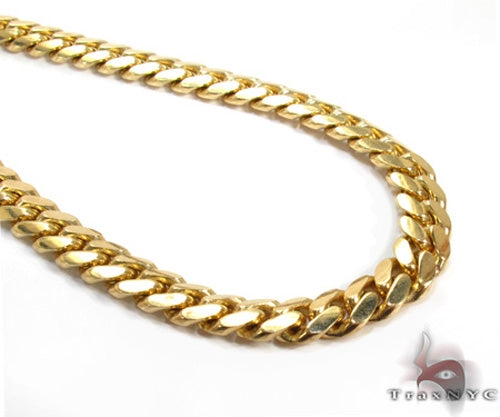
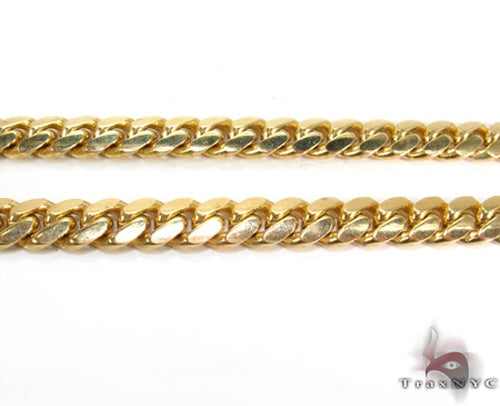
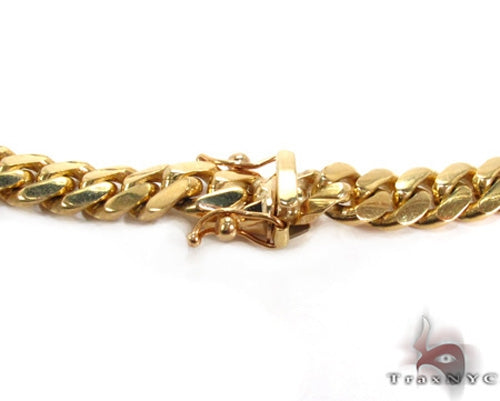
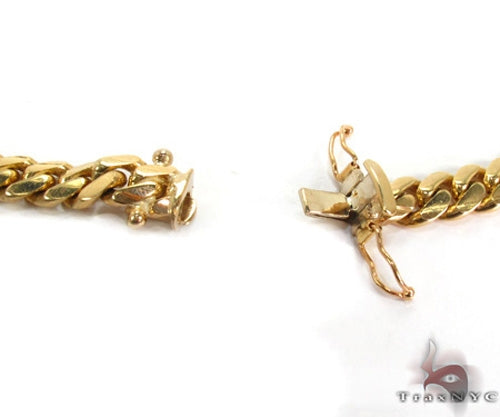

The store's own photos of item 46156. Tap a picture to zoom.
Not sure which length? Send a jeweler a photo of yourself and they will say which one sits where you want it. Men's gold chain buyer's guide.
About this item
- Real 10K yellow gold all the way through. 10 karat is 41.7% pure gold mixed with harder metals, so it stands up to daily wear better than higher karats; nothing is plated, so nothing wears off. A certified appraisal comes in the box.
- Interlocking flat links with real presence. The Miami Cuban link is the definitive bold gold chain — heavy, structured, and impossible to ignore.
- Solid build, 396.9 grams at 20 inches. Gold through every link: the heavier, longer-wearing build, and the right base for a pendant worn every day. Solid Cuban link chains are among the most durable gold chain styles and rarely need repair.
- 17 mm wide. Wear it on its own or with a pendant; text a jeweler a photo of the pendant and they will say straight whether this chain carries it.
- Listed for men. Sold and shipped by TraxNYC, 64 W 47th St, New York, in business since 2004. Secondhand Dealer License 2123575-DCWP.
Pair it with a pendant
 This chain$39,200
For a set price on the pair: Ask in the chat on this page, or call or text 212-872-9692 (a person answers from 10 AM ET).
Item specifics
The chain
Delivery & returns
Pay your way
Sold by
Description
Built at 17mm wide and finished in 10k yellow gold, this Miami Cuban chain carries serious presence at 20 inches — a length that sits cleanly at the collarbone and fills the neckline without excess. The interlocking oval links are set tight and flat, giving the chain its signature weight-forward drape that holds its shape whether worn solo or layered.
At this width it reads boldly on its own, though it holds equally well under a pendant for a stacked look. Explore Miami Cuban chains to compare widths and lengths across the full lineup.
Compare with similar items
Switch to “Differences” to hide the rows that are the same across both.
| Show | This item Miami Cuban Chain 10k Solid Yellow Gold, 17 mm Miami Cuban Chain 10k Solid Yellow Gold, 17 mm | Next width up Miami Cuban Chain 10k Solid Yellow Gold 16 Inches 19mm Miami Cuban Chain 10k Solid Yellow Gold 16 Inches 19mm |
|---|---|---|
| Price | $39,200 at 20 in | $39,200 from |
| Gold | 10K | 10K |
| Pure gold | 41.7% | 41.7% |
| Build | Solid | Solid |
| Listed weight | 396.9 grams at 20 in | 374.5 grams |
| Width | 17 mm | 19 mm |
| Lengths | 20 in | 16 in |
| Best for | Lightest on the wallet | Bolder lookSee the item |
Questions & answers
Is this your best price?
Which length should I get?
Does it come thicker?
What does it weigh?
Why does it cost more than the gold? What is my trade-in worth?
Can I make payments? Do you still do layaway?
Lab or natural? What color and clarity?
Can I hang a pendant on a 17 mm solid miami cuban chain?
What metal is it?
Does it come with an appraisal or a certificate?
How fast does it ship, and can I return it?
Have another question? Ask in the chat on this page, or call or text 212-872-9692 (a person answers from 10 AM ET).
Customer reviews
More miami cuban chains
 Miami Cuban Chain 14k Solid Yellow Gold 22 Inches 19mm$75,350
 TraxNYC's Best Buy 10K Solid Yellow Gold Cuban Link Chain 4.6mm$2,150
 14k Yellow Gold Solid Miami Cuban Link 24 Inches 5mm$9,250
 Miami Cuban Chain 18k Solid Yellow Gold 24 Inches 10mm$37,750
 Miami Cuban Chain 14k Yellow Gold 28 Inches 11mm$37,700
 14k Yellow Gold Solid Miami Cuban Link 22 Inches 5mm$7,850