Pick the shape, then how many carats, grown or mined, the gold and the chain length
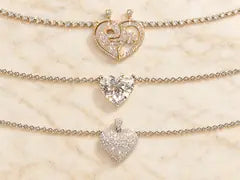
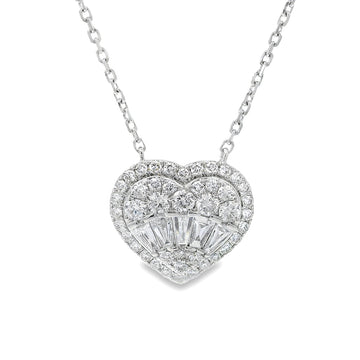
Start with a heart. It was the pendant shape bought most here, and it works as a gift at any age. If she wants one diamond that shows, take a lab-grown solitaire, since grown lets the stone go bigger. Take 14K gold for every day. Before you pay, read the chain length on the listing, since some pendants hang at 16 inches, and ask us whether a piece called a pendant comes with its chain.
Heart or solitaire: which diamond necklace to buy a woman as a gift
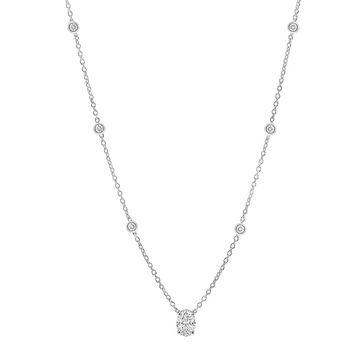
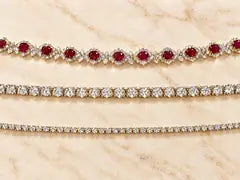
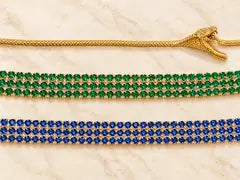
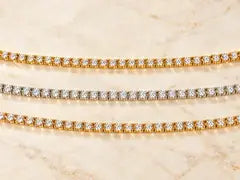
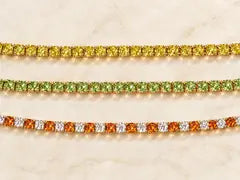
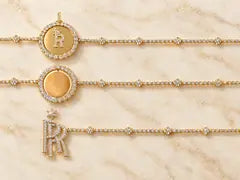
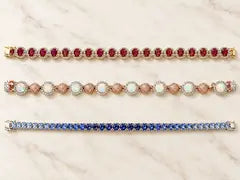
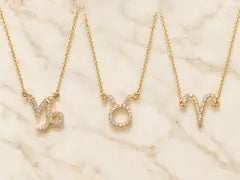
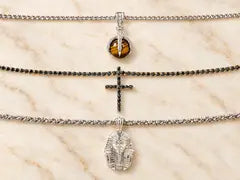
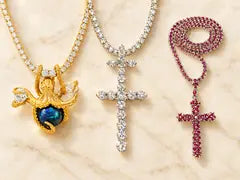
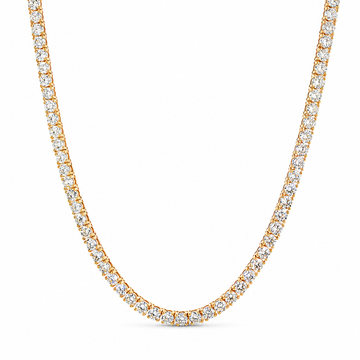
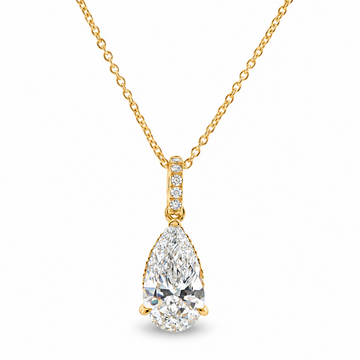
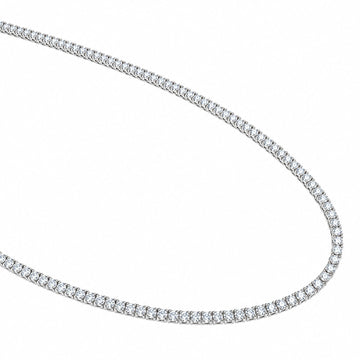
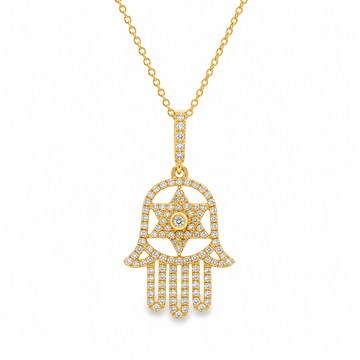
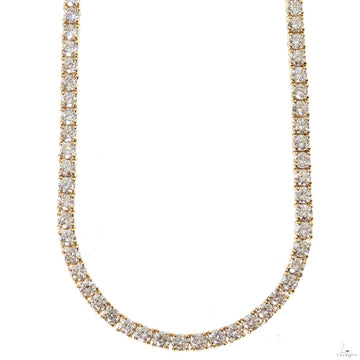
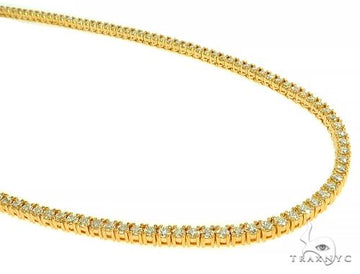
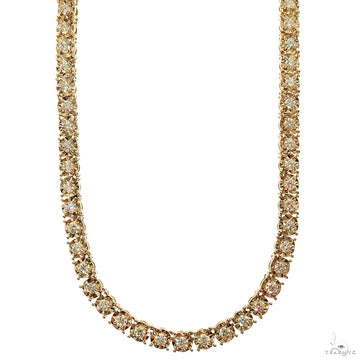
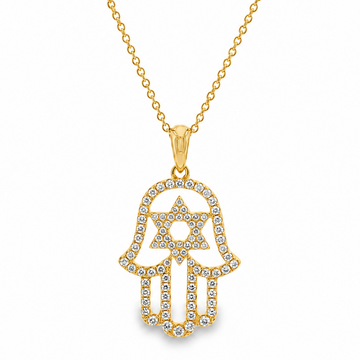
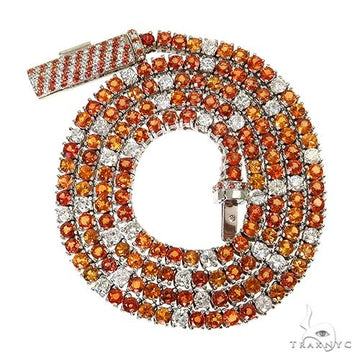
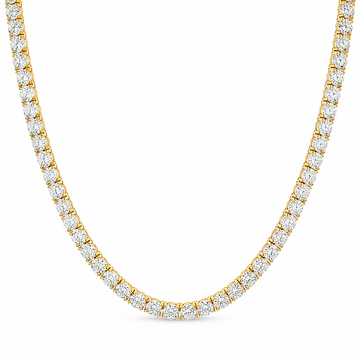
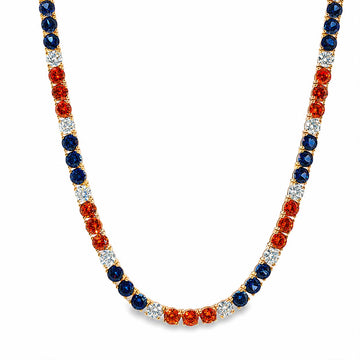
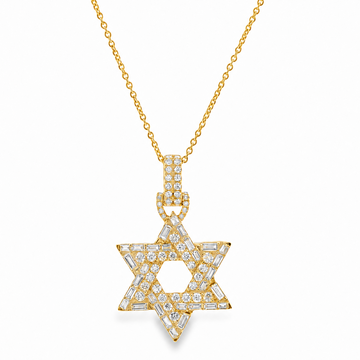
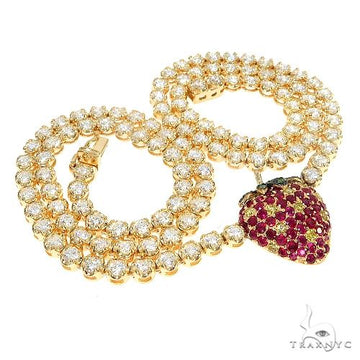
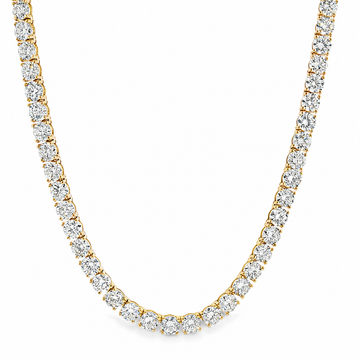
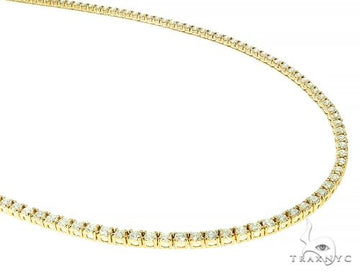
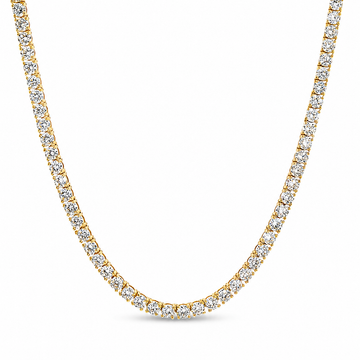
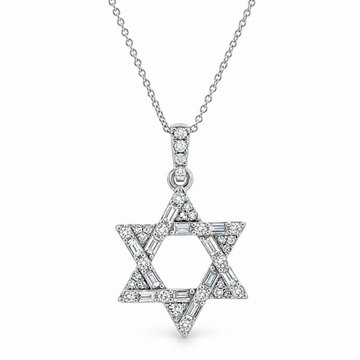
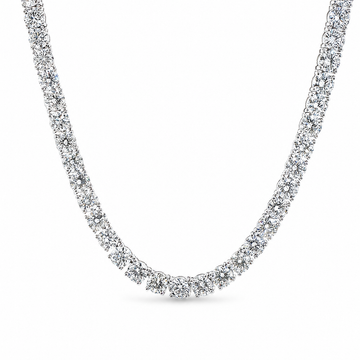
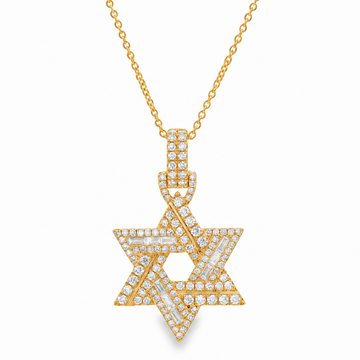
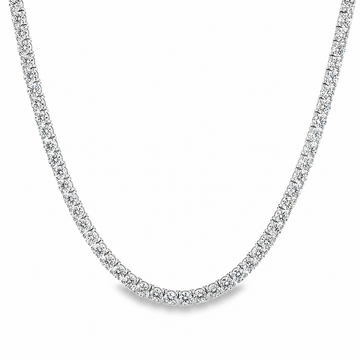
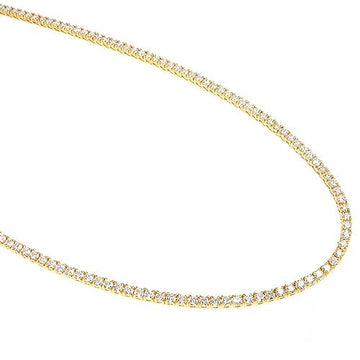
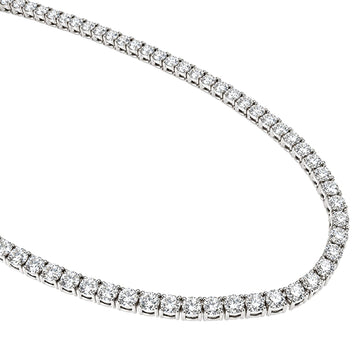
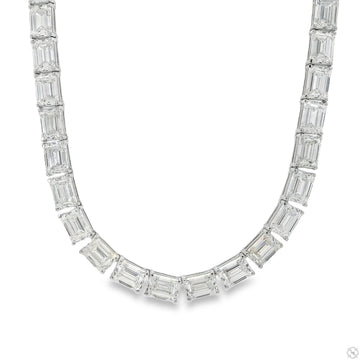
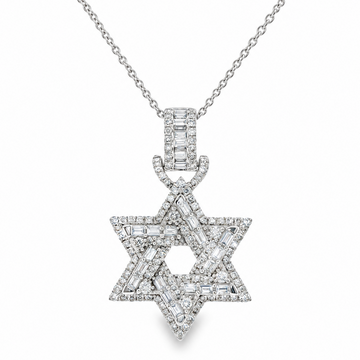
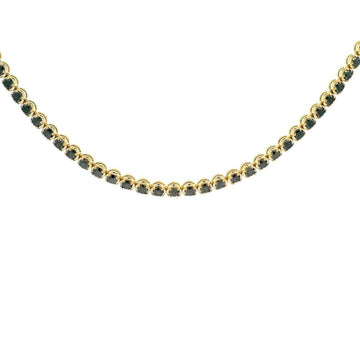
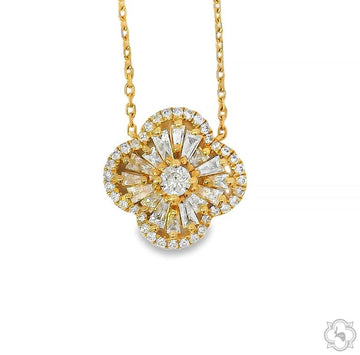
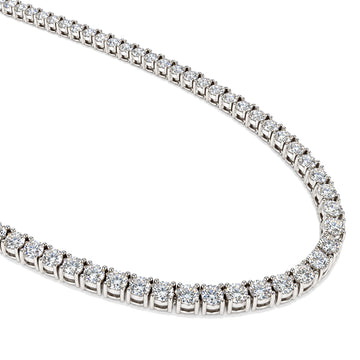
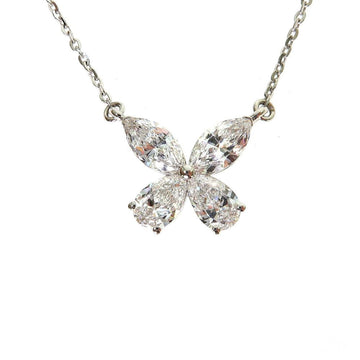
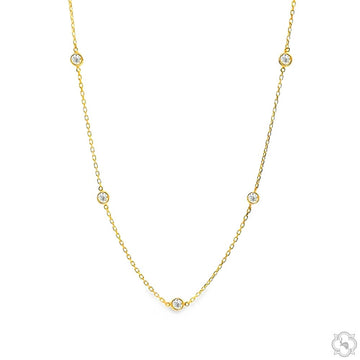
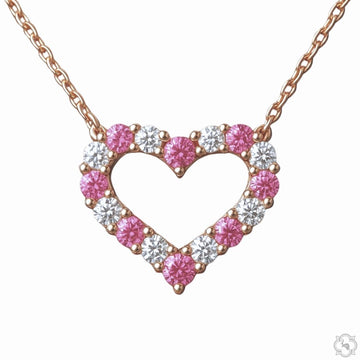
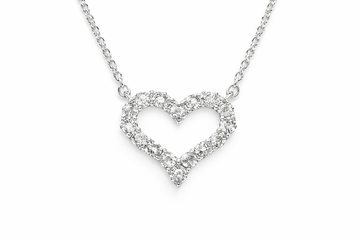
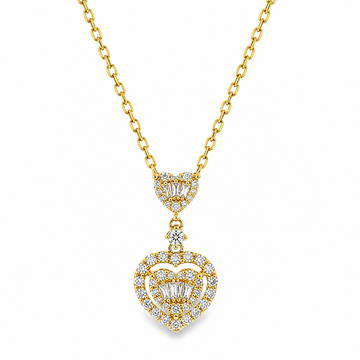
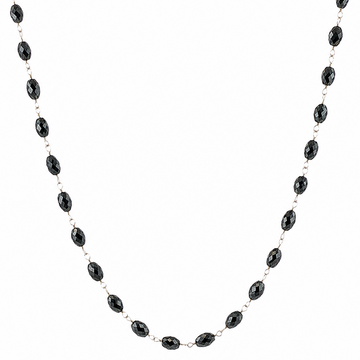
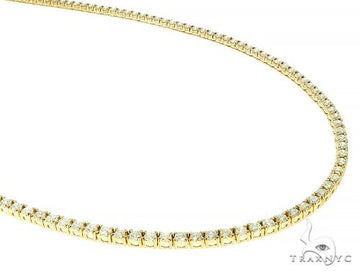
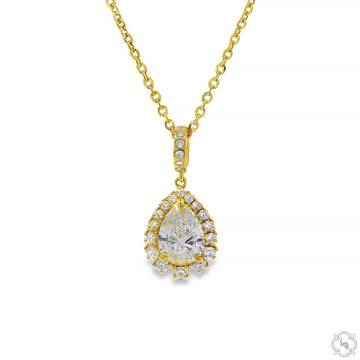
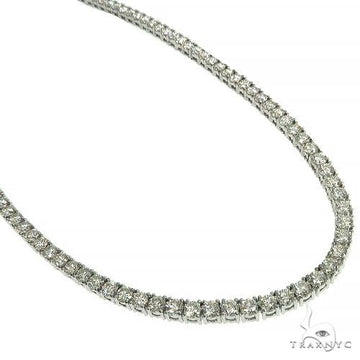
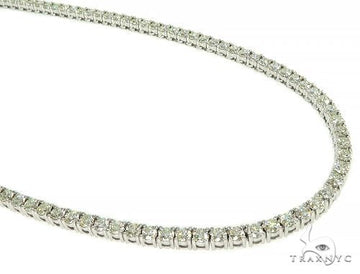
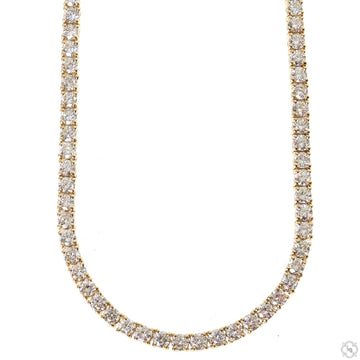
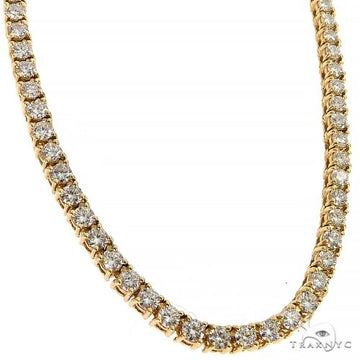
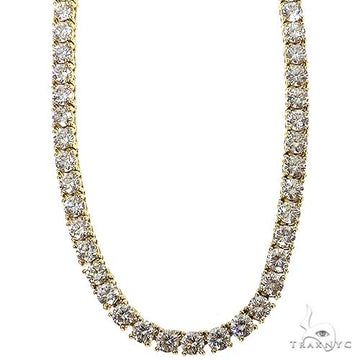
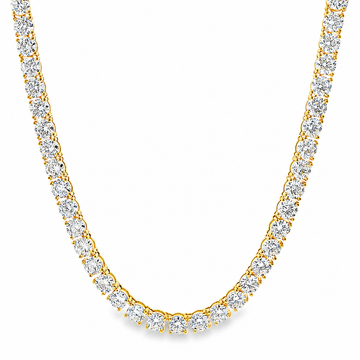
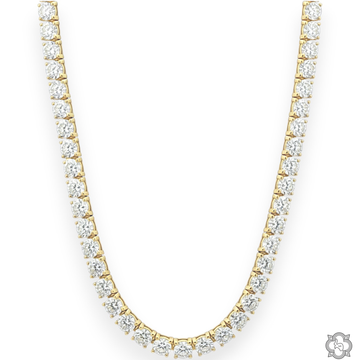
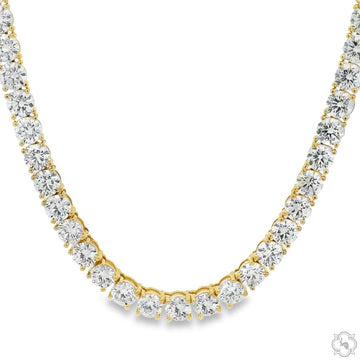
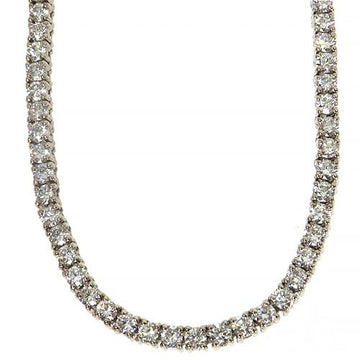
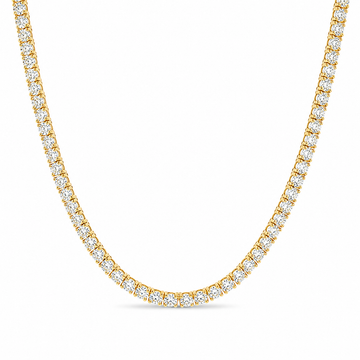
Buy her a heart. Hearts were about a quarter of the necklaces we sold, more than any other pendant shape, and a pink sapphire and diamond heart led them. An 18K baguette heart came next. If she would rather wear one stone that shows, take a solitaire. The silver lab-grown solitaire was the single necklace bought most, and she picks its stone's shape on the listing. A butterfly or a Star of David says something personal in a smaller piece. For a row of stones, 96 tennis chains sit here too. Of those that print a width, 23 run under 3 mm, 40 from 3 to 3.9 mm and 28 from 4 to 7 mm, and the fine ones under 3 mm sold the most. The tennis necklaces have their own guide.
Carat weight: how many carats a diamond necklace should have
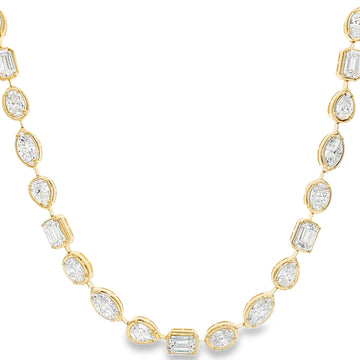
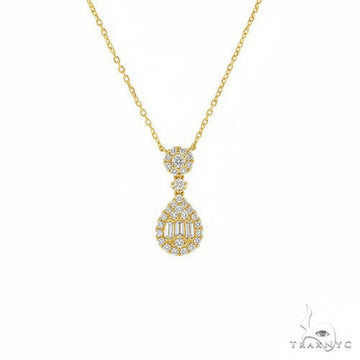
Ask how the carats are spread before you compare two necklaces. A weight on a listing is usually the total of every diamond in the piece, and a carat of tiny stones paved across a heart reads far smaller than one stone of a carat set alone. Most hearts, crosses and butterflies carry less than a carat in all. The solitaires run up to five carats a stone. Near one carat is the stone that shows on a fine chain without swinging. Nearly every listing prints a weight, 242 of the 247.
Grown or mined: lab-grown or natural diamond necklaces
Take lab-grown when you want the bigger stone for her. Grown and mined diamonds are the same material, equally hard, and only a laboratory instrument tells them apart. Eleven of the twelve solitaires say they are grown, and the twelfth reads natural. Outside the tennis chains, the mined stones sit mostly in small pieces, and the chains split about evenly between mined and grown. Nearly every listing says which a necklace carries, natural on 173 of the 247. Our guide to lab-grown and natural diamonds walks through the checks a jeweler runs.
Gold and setting: 14K or 18K, prong or bezel diamond necklaces
Choose 14K for a necklace she sleeps in. More than four pieces in five are 14K, and it keeps the prongs tight through years of wear. 18K is richer in color and a little softer, and its baguette hearts and butterflies sold well for their number. Most pieces let her pick yellow, white or rose on the listing. Prongs hold most of the stones and let the most light reach them. A bezel wraps the stone in a thin wall of gold, so nothing snags a sweater, a fair trade on a solitaire worn daily.
Chain length: 16 or 18 inch diamond necklace, and whether a chain comes with it
Read the chain length on the listing before you pay. Most pendants that print one say 18 inches, where the pendant falls to the collarbone and shows best. Some say 16, which sits high, close to the throat. A handful let you pick the length, and a few adjust. Where a title says pendant alone, ask us whether a chain ships with it, and keep the chain the same gold as the pendant. For a finer or longer chain, see women's gold chains.

 Search
 Best seller