
 Search
14K Gold Paperclip Lab-Grown Diamond Bracelet, 1 mm, 7 inches


The store's own photos of item 69793. Tap a picture to zoom.
Not sure which length? Measure your wrist snug and add ¾ in for a comfortable fit; between two lengths, take the longer. Find your length
About this item
- Real 14K Gold all the way through. 14 karat is 58.3% pure gold mixed with harder metals, the everyday standard for fine jewelry. A certified appraisal comes in the box.
- 0.12 Ct of diamonds, prong setting. The store's appraisal lists the carat weight, grade and color.
- 1.95 grams. The final weight may vary slightly.
- 1 mm wide, 7 inches long.
- Listed for women. Sold and shipped by TraxNYC, 64 W 47th St, New York, in business since 2004. Secondhand Dealer License 2123575-DCWP.
Item specifics
The bracelet
Delivery & returns
Pay your way
Sold by
Description
Yellow gold sets the foundation for this diamond paperclip bracelet — a clean, modern link design with a diamond-accented center that catches light without overpowering the wrist. The paperclip silhouette reads equally well dressed up or laid flat against a stack, making it a practical choice for daily wear.
Stop by the Diamond District in New York to see it in person. Explore gold bracelets for men to compare link styles, stone weights, and settings across the full collection.
Questions & answers
Is this the best price? Can you do better?
If I pay for overnight shipping, when will it arrive?
Can I pay monthly? Do you do layaway?
Will it fit my wrist? Which length should I get?
How many grams is it?
Why does it cost more than the gold?
Do you have it in another color? Anything like this?
What metal is it?
Does it come with an appraisal or a certificate?
How fast does it ship, and can I return it?
Have another question? Ask in the chat on this page, or call or text 212-872-9692 (a person answers from 10 AM ET).
Customer reviews
More like this
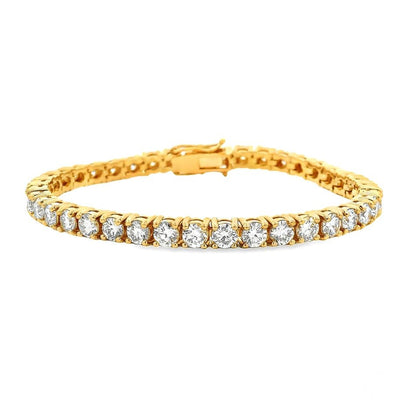 14K Gold 40 Pt Lab Diamond Tennis Bracelet$8,550
 14K Gold 2 Ct Each Lab Diamond Tennis Bracelet$14,000
 14K Gold 5 Pt Lab Diamond Tennis Bracelet$2,150
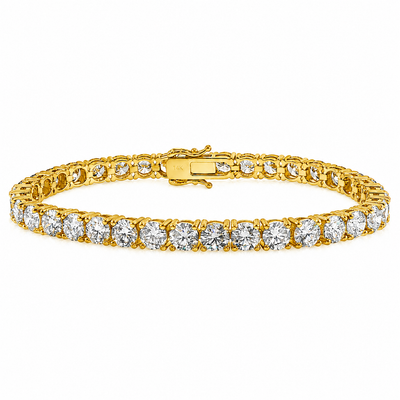 14K Gold 55 Pt Lab Diamond Tennis Bracelet$6,250
 14K Gold Three Row Upside Down Lab Diamond Tennis Bracelet$5,900
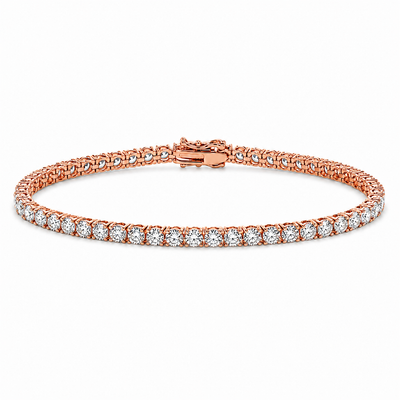 14K Gold 10 Pt Lab Diamond Tennis Bracelet$2,400